




"It is certified" is not a specification. Heat shrink tubing is bought against standards, and a quotation that does not name the standard it meets cannot be compared with one that does. The four that come up most often are UL 224 for electrical insulating tubing, AMS-DTL-23053 for military and aerospace sleeving, VW-1 for vertical flame performance, and RoHS and REACH for environmental compliance. This guide explains what each one actually covers, where it applies, and what to ask a supplier to put in writing.
Why Heat Shrink Tubing Standards Matter
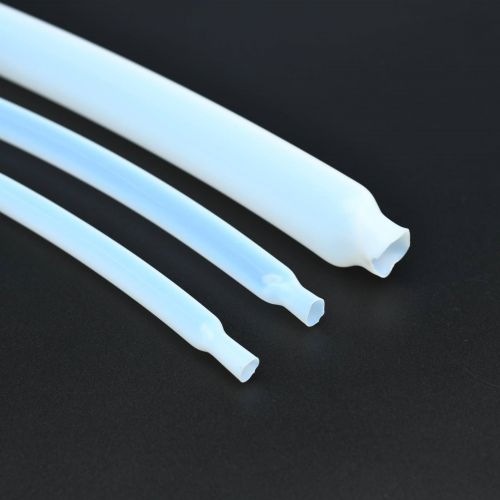
A heat shrink tubing certification is a claim about a tested property, and different markets test different things. A tubing that is acceptable in a European appliance may not satisfy a US aerospace drawing, and a product that passes a horizontal flame test may not pass the vertical one. When a specification calls up a standard, it is really calling up the test method and the pass criteria behind it — which is why the standard, not the word "certified", is what a buyer should anchor on.
UL 224 — Extruded Insulating Tubing
UL 224 is the standard most often cited for extruded insulating tubing, and heat shrinkable tubing is covered under it. It addresses the electrical and physical performance of the tubing itself — dielectric strength, tensile strength, elongation, low-temperature flexibility, heat shock and heat resistance — rather than the assembly it protects. When a North American drawing asks for UL 224 heat shrink tubing, it is asking for tubing that has been tested against those properties.
Two related marks are worth separating. A "UL Recognized" component is one that a manufacturer may build into a listed end product; a "UL Listed" mark applies to the finished product. Heat shrink tubing is normally supplied as a Recognized component, and the recognitions are listed against the specific material and construction. The Canadian equivalent is administered under C-UL, which is why a supplier claiming North American acceptance will usually name both UL and C-UL.
AMS-DTL-23053 — The Military and Aerospace Specification
AMS-DTL-23053 is the US military general specification for heat shrinkable electrical insulation sleeving, now maintained under the SAE AMS numbering. It is organised into slash sheets, and each slash sheet covers one material family with its own temperature range and properties. A military spec heat shrink tubing is therefore not one product but a family, and the slash sheet is what identifies which member of it you are buying.
| Slash sheet family | Material | Where it is used |
|---|---|---|
| Flexible polyolefin | Cross-linked polyolefin | General wire and cable insulation, harness protection |
| Semi-rigid polyolefin | Cross-linked polyolefin, higher stiffness | Terminations and connectors needing a firm cover |
| PVC | Polyvinyl chloride | Lower-temperature insulation where flexibility dominates |
| Fluoropolymer | PTFE, FEP and PVDF grades | High-temperature, chemical-exposed aerospace and defence wiring |
Because the specification is a family, the correct way to call it up is the slash sheet plus the size, not the words "military spec" alone. Two quotations that both say "meets AMS-DTL-23053" can describe materials with very different temperature limits unless the slash sheet is named.
VW-1 — The Flammability Rating Explained
VW-1 stands for Vertical-Wire Flame test, and it is a flammability rating rather than a material specification. In the vertical test the sample is held vertically and a flame is applied; to carry the rating the tubing must limit how far the flame travels, extinguish itself within the time allowed, and not throw burning material onto the cotton below. A VW-1 heat shrink tubing rating therefore tells you the tubing will not sustain a flame in that orientation, which is a stricter condition than a horizontal flame test.
The rating is frequently requested together with UL 224, because a heat shrink tubing flammability rating on its own says nothing about dielectric strength or temperature performance. When a drawing lists both, it is asking for electrical performance and flame behaviour as separate, independently verified properties.
RoHS and REACH — Environmental Compliance
RoHS and REACH are European regulations that apply to what the tubing contains, not to how it performs. They travel with the product into any market that has adopted equivalent restrictions, which is why a RoHS REACH heat shrink tubing declaration is now a standard part of a purchase order rather than an optional extra.
| Regulation | What it covers | What to ask for |
|---|---|---|
| RoHS | Restricted hazardous substances in electrical and electronic equipment | A declaration of conformity against the part number you are buying |
| REACH | Substance registration and SVHC content in the EU | An SVHC statement referenced to the current candidate list |
| ISO 9001 | The quality management system behind the manufacturing process | A current certificate showing scope and expiry |
Ask for the declaration against the exact part number rather than a general company statement. A blanket claim is easy to issue and hard to audit; a part-numbered declaration is what your own compliance file will need.
Temperature Rating, Shrink Ratio and Voltage Rating
Alongside the formal standards, three properties decide whether a tubing works in the application. They are quoted on the datasheet, and they need to be read together rather than one at a time.
| Property | What it means | What to check |
|---|---|---|
| Temperature rating | The continuous service temperature the material holds | Compare against the hottest sustained condition, not the peak |
| Shrink ratio | Expanded ID divided by recovered ID | A 2:1, 3:1 or 4:1 ratio decides how much size variation one part absorbs |
| Voltage rating | Dielectric strength of the wall, quoted per unit thickness | Wall thickness and voltage rating rise and fall together |
A heat shrink tubing temperature rating is only meaningful with the material attached to it. Silicone Heat Shrink tubing holds a flexible service range around -50 °C to 200 °C, while fluoropolymer grades such as PTFE heat shrink extend from about -200 °C to +260 °C. Selecting on the temperature rating alone, without the material, is how a part ends up either over-specified or under-protected.
Which Standard Applies to Your Market
The standard you call up follows the market and the industry the product is sold into. The table below is a starting point for the four most common cases.
| Market or industry | Standard usually called up | Note |
|---|---|---|
| North American electrical | UL 224, with C-UL for Canada | Confirm the recognition is against the material and construction you are buying |
| Military and aerospace | AMS-DTL-23053, by slash sheet | Name the slash sheet, not just the general specification |
| Flame-critical applications | VW-1 | Ask for the rating in addition to the electrical standard |
| European and export markets | RoHS and REACH | Request a part-numbered declaration of conformity |
Frequently Asked Questions
What does UL 224 cover?
UL 224 covers extruded insulating tubing, including heat shrinkable tubing, and tests properties such as dielectric strength, tensile strength, elongation, low-temperature flexibility, heat shock and heat resistance. It describes the tubing itself rather than the assembly it is installed on.
What is the difference between UL 224 and AMS-DTL-23053?
UL 224 is a North American electrical standard for insulating tubing and is normally referenced by material and construction. AMS-DTL-23053 is a US military general specification organised into slash sheets, each covering a different material family. A drawing may call up either one, or both, depending on the market and the end product.
Does heat shrink tubing need a VW-1 rating?
Only where the specification calls for it. VW-1 is a vertical flame rating, and it is stricter than a horizontal flame test, so it is requested in applications where flame spread is a concern. It says nothing about electrical or temperature performance, which is why it is usually specified alongside a standard such as UL 224 rather than instead of it.
How do I confirm a supplier's RoHS and REACH compliance?
Ask for a declaration of conformity issued against the specific part number, and for a REACH SVHC statement referenced to the current candidate list. A general company statement is not enough for a compliance file, because it does not tie the claim to the material you are actually buying.
If you need heat shrink tubing quoted against a specific standard — UL 224, a named AMS-DTL-23053 slash sheet, VW-1 or a RoHS and REACH declaration — send the requirement to our team and we will confirm which material and construction meets it and provide the documentation against the part number.