




PTFE Tubing: Why It Remains the Gold Standard for Chemical and High-Temperature Fluid Transfer
When engineers need a tubing solution capable of handling aggressive chemicals, extreme temperatures, and demanding industrial environments, PTFE tubing is often the first material considered. Known for its exceptional chemical inertness, outstanding thermal stability, and superior electrical insulation, PTFE tubing has become a critical component across chemical processing, medical devices, semiconductor manufacturing, aerospace systems, and laboratory applications.
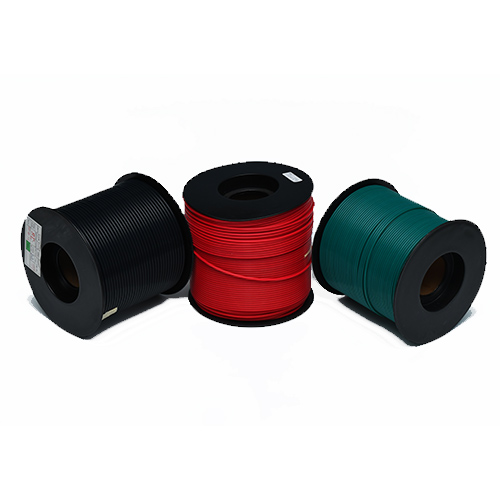
What Is PTFE Tubing?
PTFE tubing is manufactured from Polytetrafluoroethylene, a high-performance fluoropolymer recognized worldwide for its unique combination of chemical resistance, non-stick properties, low friction coefficient, and electrical insulation. PTFE can continuously operate within a temperature range of approximately -200°C to +260°C while maintaining excellent physical stability and performance.
Unlike many conventional plastic tubing materials, PTFE remains unaffected by most acids, alkalis, solvents, fuels, and corrosive chemicals. This exceptional durability makes it one of the most reliable fluid transfer solutions available for critical industrial processes.
Key Advantages of PTFE Tubing
Outstanding Chemical Resistance
One of the primary reasons engineers choose PTFE tubing is its ability to resist nearly all industrial chemicals. Whether transporting aggressive acids, solvents, cleaning agents, or pharmaceutical fluids, PTFE provides long-term protection against corrosion and chemical degradation. This significantly reduces maintenance costs and system downtime.
Exceptional Temperature Performance
PTFE tubing maintains its structural integrity and flexibility across an extremely wide temperature range. Applications involving cryogenic fluids, heated process chemicals, industrial ovens, and semiconductor equipment all benefit from PTFE's thermal stability. Operating temperatures from -200°C to +260°C make PTFE one of the most versatile tubing materials available today.
Superior Electrical Insulation
PTFE possesses a very low dielectric constant and excellent dielectric strength. These characteristics make it ideal for wire insulation, cable protection, electronic equipment, sensors, and high-frequency communication systems where signal integrity and electrical safety are critical.
Ultra-Low Friction Surface
The naturally non-stick surface of PTFE minimizes friction and prevents material buildup inside tubing walls. This property improves flow efficiency while reducing contamination risks in medical, food processing, pharmaceutical, and laboratory applications.
Technical Comparison of PTFE and Other Fluoropolymer Tubes
| Property | PTFE Tubing | FEP Tubing | PFA Tubing |
|---|---|---|---|
| Chemical Resistance | Excellent | Excellent | Excellent |
| Maximum Working Temperature | 260°C | 200°C | 260°C+ |
| Transparency | Opaque | Transparent | Semi-Transparent |
| Flexibility | Good | Very Good | Excellent |
| Cost | Moderate | Lower | Higher |
While FEP and PFA offer unique advantages for specific applications, PTFE remains the preferred choice when maximum chemical resistance and high-temperature performance are required.
Industries That Rely on PTFE Tubing
Chemical Processing
Chemical plants depend on PTFE tubing for transferring aggressive acids, solvents, and highly corrosive media. Its chemical inertness helps ensure safe and reliable operation even in demanding processing environments.
Medical Devices
PTFE's biocompatibility and cleanliness make it suitable for catheters, fluid transfer systems, diagnostic equipment, and various medical device components. FDA-compliant PTFE tubing is widely used throughout healthcare industries.
Semiconductor Manufacturing
Semiconductor facilities require ultra-clean fluid handling systems. PTFE tubing provides low contamination risk, chemical resistance, and dimensional stability necessary for precision manufacturing processes.
Food and Beverage Processing
The non-stick surface and hygienic properties of PTFE make it ideal for transporting sensitive food products while simplifying cleaning and maintenance procedures.
Aerospace and Automotive
High-performance fuel systems, hydraulic systems, and sensor assemblies frequently utilize PTFE tubing because of its lightweight structure and resistance to extreme temperatures.
Customization Options for Industrial Applications
Different industries require different tubing configurations. PTFE tubing can be customized according to:
Inner diameters from 0.2 mm to 25 mm
Wall thicknesses from 0.1 mm to 2 mm
Continuous lengths or cut-to-length options
White, black, transparent, or custom colors
Smooth bore and specialized configurations
These customization capabilities allow engineers to optimize performance for specific fluid transfer and insulation requirements.
How to Choose the Right PTFE Tubing
Selecting the correct PTFE tubing involves evaluating several key factors:
Operating temperature range
Chemical compatibility
Pressure requirements
Fluid purity requirements
Electrical insulation requirements
Regulatory compliance requirements
Tube diameter and wall thickness
Carefully matching tubing specifications to application demands can significantly improve equipment reliability and operational efficiency.
Frequently Asked Questions
Is PTFE tubing resistant to all chemicals?
PTFE is resistant to nearly all industrial chemicals and is widely considered one of the most chemically inert materials available.
Can PTFE tubing be used at high temperatures?
Yes. PTFE tubing can continuously operate between -200°C and +260°C without significant degradation.
Is PTFE tubing FDA compliant?
Many PTFE tubing products are manufactured to meet FDA requirements for food and medical applications. Gendian PTFE tubing is available with FDA, RoHS, and REACH compliance options.
What makes PTFE better than ordinary plastic tubing?
PTFE offers superior chemical resistance, thermal stability, electrical insulation, and service life compared to most conventional plastic tubing materials.
Conclusion
As industrial processes continue to demand greater reliability and performance, PTFE tubing remains one of the most trusted fluid transfer and insulation solutions available. Its unique combination of chemical resistance, temperature stability, electrical insulation, and long service life makes it indispensable across chemical, medical, semiconductor, food processing, aerospace, and industrial manufacturing sectors.
For engineers and procurement professionals seeking dependable Fluoropolymer Tubing solutions, PTFE tubing continues to set the industry benchmark for performance in the world's most challenging environments.