




Why Fiberglass High Temperature Sleeving Is Essential for Industrial Wire and Cable Protection
In modern industrial environments, electrical systems are frequently exposed to extreme temperatures, mechanical abrasion, chemical contamination, and continuous vibration. Without proper protection, cable insulation can deteriorate rapidly, leading to equipment failures, costly downtime, and safety risks.
Fiberglass High Temperature Sleeving has become one of the most trusted solutions for protecting wires, cable assemblies, hydraulic hoses, and electrical components operating in demanding environments. Combining exceptional thermal resistance with excellent dielectric strength, fiberglass sleeving helps engineers improve system reliability while extending equipment service life.
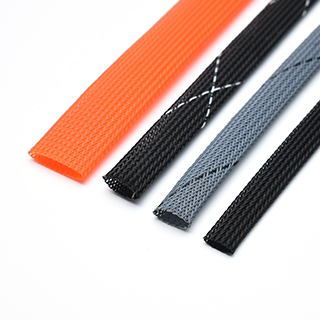
What Makes Fiberglass Sleeving Different?
Unlike conventional PVC or PET cable sleeves, fiberglass sleeving is manufactured using tightly braided E-glass fibers that can withstand significantly higher temperatures. This unique construction creates a durable protective barrier that resists heat, abrasion, and flame exposure while maintaining flexibility for easy installation.
For applications where cables are routed near engines, industrial heaters, transformers, generators, or high-temperature production equipment, fiberglass sleeving provides a level of protection that standard cable management products simply cannot achieve.
Core Advantages of Fiberglass High Temperature Sleeving
Outstanding Thermal Protection
Heat is one of the leading causes of cable insulation failure. Fiberglass sleeving acts as a thermal shield, helping protect sensitive conductors from continuous exposure to elevated temperatures.
Reliable Electrical Insulation
Electrical safety remains a critical requirement in motors, transformers, switchgear, and power distribution systems. Fiberglass sleeving provides dependable dielectric performance that helps reduce the risk of short circuits and insulation breakdown.
Excellent Mechanical Strength
Industrial cables are often subjected to constant movement, vibration, and friction. The braided fiberglass structure helps prevent premature wear caused by abrasion and mechanical stress.
Long-Term Durability
Compared with many traditional cable protection materials, fiberglass sleeving offers superior aging resistance and maintains performance even after years of continuous service in harsh industrial environments.
Performance Comparison
| Property | Fiberglass Sleeving | PET Sleeving | PVC Sleeving |
|---|---|---|---|
| Heat Resistance | Excellent | Good | Moderate |
| Flame Resistance | Excellent | Good | Limited |
| Electrical Insulation | Excellent | Good | Good |
| Industrial Equipment Suitability | Excellent | Moderate | Limited |
Where Is Fiberglass High Temperature Sleeving Used?
The versatility of fiberglass sleeving makes it suitable for a wide range of industries.
Automotive Manufacturing – Engine compartments, sensor wiring, and battery systems.
Aerospace Systems – Aircraft electrical harnesses and avionics protection.
Industrial Automation – Robotic cable assemblies and CNC equipment.
Power Generation – Generator leads, transformers, and electrical cabinets.
Rail Transportation – High-temperature wiring and fire-resistant cable systems.
Semiconductor Equipment – Precision manufacturing machinery and process equipment.
How to Choose the Right Fiberglass Sleeving
Selecting the correct sleeving begins with understanding the operating environment. Engineers should evaluate maximum temperature exposure, cable bundle diameter, installation space, and any exposure to chemicals or moisture.
Choosing a sleeve with the appropriate internal diameter ensures easy installation while maintaining complete cable coverage and protection.
Why More Engineers Are Switching to Fiberglass Sleeving
As industrial systems become more powerful and compact, operating temperatures continue to increase. Traditional cable protection materials often struggle to meet modern performance requirements.
Fiberglass High Temperature Sleeving offers a proven solution that combines thermal protection, electrical insulation, flame resistance, and long-term durability. For manufacturers seeking to improve equipment reliability and reduce maintenance costs, fiberglass sleeving remains one of the most effective investments in cable protection technology.
Conclusion
Whether used in aerospace, automotive, railway, energy, or industrial automation applications, Fiberglass High Temperature Sleeving provides dependable protection where conventional cable management products fall short. Its ability to withstand extreme temperatures while delivering reliable insulation and mechanical strength makes it a preferred choice for engineers and OEM manufacturers worldwide.