




PTFE vs FEP vs PFA Tubing: How to Choose the Right Fluoropolymer Tube for Industrial Applications
Selecting the correct Fluoropolymer Tubing is critical for ensuring chemical compatibility, long service life, process reliability, and contamination control. This comprehensive guide compares PTFE, FEP, and PFA tubing across temperature performance, purity, flexibility, transparency, and industry-specific applications.
Table of Contents
What Is Fluoropolymer Tubing?
Fluoropolymer tubing is a family of high-performance tubing products manufactured from fluorine-based polymers. These materials are widely recognized for their exceptional resistance to aggressive chemicals, high temperatures, ultraviolet exposure, and electrical stress. Compared with conventional plastics such as PVC, PE, PP, or nylon, fluoropolymers offer significantly longer service life and superior reliability in demanding industrial environments.
Today, fluoropolymer tubing is extensively used across semiconductor manufacturing, pharmaceutical production, chemical processing, laboratory equipment, aerospace systems, medical devices, automotive electronics, and high-purity fluid delivery systems.
The three most commonly specified fluoropolymer tubing materials include:
PTFE (Polytetrafluoroethylene)
FEP (Fluorinated Ethylene Propylene)
PFA (Perfluoroalkoxy Alkane)
Each material has unique advantages and is optimized for different industrial requirements.
Understanding PTFE Tubing
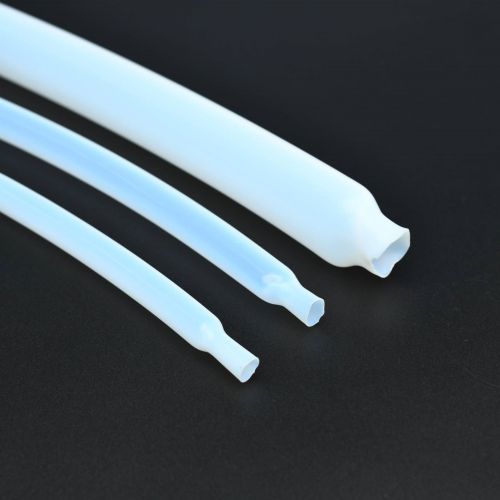
PTFE, commonly known by the trade name Teflon®, is often considered the benchmark fluoropolymer material. It was first developed to provide exceptional chemical resistance and remains one of the most chemically inert materials available today.
PTFE tubing performs exceptionally well when exposed to:
Strong acids
Strong alkalis
Organic solvents
Corrosive process chemicals
Ultra-high temperatures
Key Characteristics of PTFE Tubing
| Property | PTFE Tubing |
|---|---|
| Continuous Service Temperature | -200°C to +260°C |
| Chemical Resistance | Excellent |
| Coefficient of Friction | Extremely Low |
| UV Resistance | Excellent |
| Electrical Insulation | Excellent |
| Transparency | Opaque |
| Flexibility | Moderate |
Because PTFE cannot be melt processed in the same way as conventional plastics, it is typically manufactured through paste extrusion or ram extrusion techniques. This unique processing method contributes to its outstanding thermal stability and chemical resistance.
PTFE tubing is commonly found in chemical dosing systems, analytical instruments, laboratory equipment, fuel handling systems, industrial reactors, and aerospace assemblies.
Related Product:PTFE Tubing Supplier
Understanding FEP Tubing
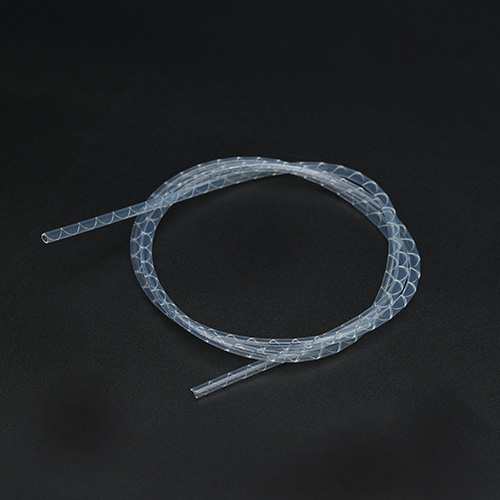
FEP tubing offers many of the same chemical-resistant properties as PTFE but introduces an important advantage: optical transparency.
Unlike PTFE, FEP tubing allows operators to visually monitor fluid flow, detect bubbles, and inspect contamination levels during operation. This feature makes FEP especially valuable in pharmaceutical, laboratory, and medical applications.
Key Characteristics of FEP Tubing
| Property | FEP Tubing |
|---|---|
| Continuous Service Temperature | -200°C to +200°C |
| Transparency | Excellent |
| Chemical Resistance | Excellent |
| Flexibility | Higher than PTFE |
| FDA Compliance | Available |
| Weather Resistance | Excellent |
Because FEP is melt-processable, manufacturers can produce highly consistent tubing with excellent dimensional control. This characteristic often reduces production costs compared to PTFE while maintaining exceptional chemical resistance.
Typical applications include:
Medical fluid transfer
Biotechnology equipment
Laboratory systems
Analytical instruments
Semiconductor chemical delivery
Food-grade processing systems
Related Product:FEP Tubing
Understanding PFA Tubing
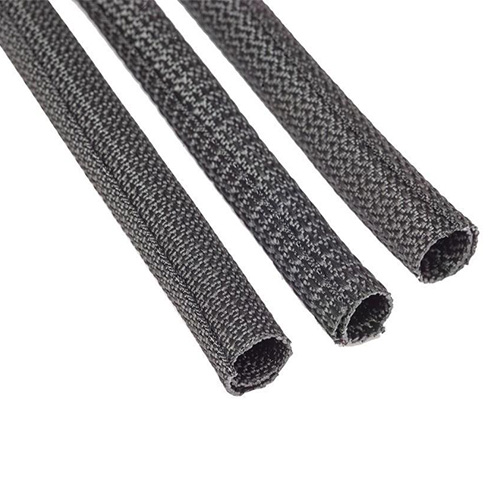
PFA (Perfluoroalkoxy Alkane) is widely regarded as the premium fluoropolymer tubing material. It combines many of the advantages of PTFE with the processing benefits of FEP. For industries where contamination control, chemical purity, and long-term reliability are critical, PFA tubing is often considered the gold standard.
PFA possesses an exceptionally smooth inner surface, extremely low extractable content, and excellent resistance to nearly all industrial chemicals. These characteristics have made it the preferred tubing solution in semiconductor fabrication facilities, pharmaceutical production plants, ultrapure water systems, and advanced chemical processing environments.
Modern semiconductor fabrication involves transporting highly aggressive acids such as sulfuric acid, hydrochloric acid, nitric acid, hydrofluoric acid, and ultrapure process chemicals. Even microscopic contamination can impact wafer yields. PFA tubing provides superior purity levels and outstanding chemical stability, helping manufacturers maintain process consistency and maximize production efficiency.
Key Characteristics of PFA Tubing
| Property | PFA Tubing |
|---|---|
| Continuous Service Temperature | -200°C to +260°C |
| Chemical Resistance | Superior |
| Purity Level | Ultra High |
| Transparency | Semi-Transparent |
| Mechanical Strength | Excellent |
| Crack Resistance | Excellent |
| Flexibility | High |
| Semiconductor Compatibility | Excellent |
Compared with PTFE, PFA provides better clarity, improved mechanical durability, and easier fabrication. Compared with FEP, PFA offers higher operating temperatures and lower contamination risk in critical applications.
Related Product:PFA Tubing Solutions
PTFE vs FEP vs PFA: Comprehensive Comparison
Although PTFE, FEP, and PFA belong to the fluoropolymer family, their performance characteristics vary significantly depending on application requirements. Engineers should evaluate tubing materials based on operating temperature, purity requirements, visibility, flexibility, chemical compatibility, and budget considerations.
| Feature | PTFE | FEP | PFA |
|---|---|---|---|
| Maximum Continuous Temperature | 260°C | 200°C | 260°C |
| Chemical Resistance | Excellent | Excellent | Superior |
| Transparency | Opaque | Clear | Semi-Clear |
| Purity Level | High | High | Ultra High |
| Flexibility | Moderate | High | High |
| Mechanical Strength | Good | Good | Excellent |
| UV Resistance | Excellent | Excellent | Excellent |
| Electrical Insulation | Excellent | Excellent | Excellent |
| Cost Level | $$ | $$$ | $$$$ |
| Semiconductor Applications | Good | Good | Best Choice |
Temperature Performance Comparison
Temperature resistance is one of the most important considerations when selecting fluoropolymer tubing. Different process environments expose tubing to continuous heat, thermal cycling, sterilization procedures, or cryogenic temperatures.
| Material | Minimum Temperature | Maximum Continuous Temperature | Short-Term Exposure |
|---|---|---|---|
| PTFE | -200°C | 260°C | 300°C+ |
| FEP | -200°C | 200°C | 220°C |
| PFA | -200°C | 260°C | 300°C+ |
For high-temperature chemical processing, aerospace applications, and semiconductor wet benches, PTFE and PFA are generally preferred over FEP due to their superior thermal stability.
Major Industry Applications
Semiconductor Manufacturing
The semiconductor industry requires ultrapure fluid transport systems capable of handling aggressive chemicals without introducing contamination. PFA tubing has become the preferred choice for wafer fabrication facilities due to its low extractable content and exceptional purity.
Common semiconductor applications include:
Chemical delivery systems
Wet processing equipment
Photoresist handling
Ultrapure water systems
Acid transfer lines
CMP slurry transport
Medical and Pharmaceutical Equipment
Medical device manufacturers require tubing materials that are biocompatible, sterilizable, and resistant to aggressive cleaning chemicals. FEP and PFA tubing are frequently selected for fluid transfer systems, laboratory instruments, and pharmaceutical production lines.
Diagnostic analyzers
Drug manufacturing systems
Biotechnology equipment
Peristaltic pump systems
Laboratory fluid transfer
Analytical instrumentation
Chemical Processing Industry
Chemical plants routinely transport acids, solvents, alkalis, and corrosive media that rapidly degrade traditional plastics and metal tubing. PTFE tubing offers exceptional resistance to chemical attack while minimizing maintenance requirements.
Acid transfer systems
Reactor feed lines
Chemical injection systems
Industrial dosing equipment
Laboratory chemical handling
Aerospace and Defense Systems
Aircraft and defense equipment demand lightweight materials capable of withstanding extreme temperatures, vibration, fuels, hydraulic fluids, and harsh environmental conditions. Fluoropolymer tubing has become an important component in aerospace fluid management systems.
Fuel delivery systems
Hydraulic systems
Wire harness protection
High-temperature sensor assemblies
Avionics equipment
Automotive Electronics
As electric vehicles and advanced driver assistance systems continue to expand, fluoropolymer tubing is increasingly used for thermal management systems, sensor protection, and high-voltage cable insulation.
EV battery cooling systems
Sensor protection
Wire insulation
Fuel handling systems
Engine compartment applications
How to Choose the Right Fluoropolymer Tubing
Selecting the appropriate fluoropolymer tubing requires a detailed evaluation of operating conditions, fluid characteristics, cleanliness requirements, regulatory standards, and total lifecycle cost. While PTFE, FEP, and PFA all offer excellent chemical resistance, each material performs best under specific conditions.
Step 1: Evaluate Operating Temperature
Temperature is often the first selection criterion. If your application involves continuous exposure above 200°C, PTFE or PFA should be prioritized. For moderate-temperature applications where visual flow monitoring is important, FEP may be the more cost-effective solution.
| Operating Condition | Recommended Material |
|---|---|
| Above 200°C | PFA or PTFE |
| Below 200°C with visual monitoring | FEP |
| Cryogenic environments | PTFE, FEP, or PFA |
Step 2: Determine Purity Requirements
Industries such as semiconductor manufacturing, biotechnology, and pharmaceutical processing often require ultra-low contamination levels. In these environments, PFA tubing typically delivers the highest performance due to its low extractables and smooth internal surface.
Step 3: Assess Chemical Compatibility
Although all three materials resist most industrial chemicals, operating temperature and chemical concentration should always be considered together. High-temperature chemical transfer systems generally benefit from PTFE or PFA solutions.
Step 4: Consider Visibility Requirements
If operators need to visually inspect liquid flow, bubble formation, or contamination, transparent FEP tubing offers significant advantages over opaque PTFE tubing.
Step 5: Evaluate Total Cost of Ownership
The lowest purchase price is not always the most economical choice. Downtime, maintenance, contamination risk, and replacement frequency often exceed the initial tubing investment. In many critical applications, premium PFA tubing delivers the lowest lifecycle cost despite a higher upfront price.
Fluoropolymer Tubing Selection Matrix
| Application Requirement | Best Material |
|---|---|
| Highest Temperature Resistance | PTFE / PFA |
| Visual Flow Monitoring | FEP |
| Ultra-High Purity Chemicals | PFA |
| Cost-Sensitive Projects | PTFE |
| Semiconductor Manufacturing | PFA |
| Laboratory Systems | FEP |
| Chemical Processing | PTFE |
| Pharmaceutical Production | PFA / FEP |
| Aerospace Applications | PTFE / PFA |
| Medical Devices | FEP / PFA |
Frequently Asked Questions
1. What is the main difference between PTFE, FEP, and PFA tubing?
PTFE offers the highest temperature resistance and excellent chemical compatibility. FEP provides transparency and easier processing. PFA combines PTFE-level performance with superior purity, flexibility, and mechanical strength.
2. Which fluoropolymer tubing is best for semiconductor manufacturing?
PFA tubing is generally considered the preferred solution for semiconductor applications because of its ultra-high purity, low extractable content, and excellent resistance to aggressive process chemicals.
3. Is FEP tubing chemically resistant?
Yes. FEP tubing offers excellent resistance to acids, alkalis, solvents, and most industrial chemicals while providing the added benefit of transparency.
4. Why is PTFE tubing opaque?
The molecular structure and manufacturing process of PTFE create a naturally opaque material, unlike melt-processable fluoropolymers such as FEP.
5. Which tubing handles the highest temperature?
Both PTFE and PFA can continuously operate at temperatures up to approximately 260°C and tolerate short-term exposure above that level.
Related Fluoropolymer Products
Explore additional fluoropolymer tubing and heat shrink solutions from Gendian Materials:
Industry References
For additional technical information regarding fluoropolymers and material standards, readers may consult:
Need Help Selecting the Right Fluoropolymer Tubing?
Whether you require PTFE tubing for aggressive chemical transfer, FEP tubing for transparent fluid monitoring, or PFA tubing for semiconductor-grade purity, our engineering team can help identify the best solution for your application.
Gendian Materials specializes in custom fluoropolymer tubing, heat shrink tubing, high-purity extrusion products, and advanced material solutions for global industrial markets.
Request a Quote