




Heat shrink is one of the most widely used materials in electrical, electronic, automotive, and industrial applications. It is valued for its ability to provide insulation, protection, and organization for wires and cables. When heated, heat shrink tubing contracts tightly around the object it covers, creating a durable and secure protective layer.
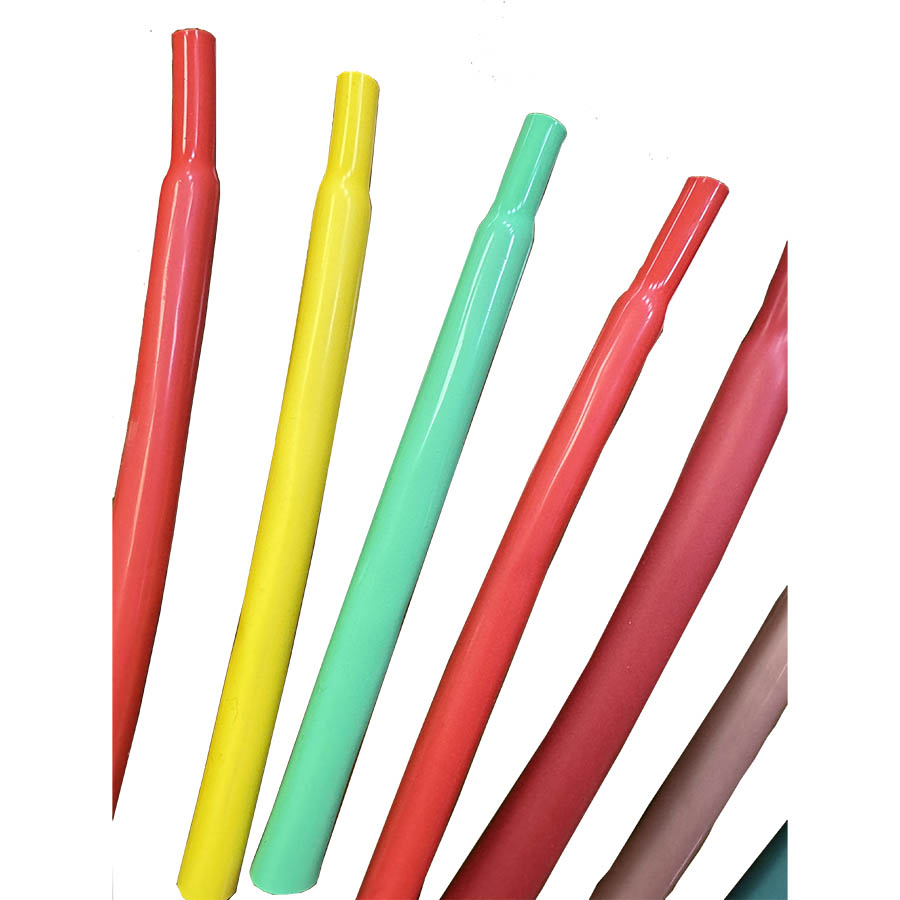
A heat shrinkable tube is designed to shrink when exposed to heat, forming a snug fit over wires, connectors, or components. Because of its reliability and versatility, heat shrink materials are used in countless applications ranging from simple home electronics to high-performance aerospace systems. Today, many professional heat shrink suppliers provide a wide range of products designed to meet different environmental, electrical, and mechanical requirements.
This article explores what heat shrink is used for, the types of materials available, and the many industries that rely on heat shrink technology.
Understanding Heat Shrink Tubing
Heat shrink tubing is a polymer tube that shrinks in diameter when heat is applied. The material is manufactured in an expanded form and then shrinks back to its original size when heated with a heat gun or other heat source.
The resulting tight seal protects wires and components from moisture, dust, mechanical damage, and electrical interference. Products such as wire sleeve heat shrink and heat shrink cable sleeve are especially useful for bundling cables together and protecting wiring systems.
Heat shrink tubing is available in many materials, including:
polyolefin shrink tubing
pvc heat shrink tubing
pvc shrink tubing
Teflon Heat Shrink tubing
Each material offers unique advantages depending on the environment and application.
Primary Uses of Heat Shrink Tubing
Heat shrink tubing has many practical uses in modern electrical and industrial systems.
Electrical Insulation
One of the most important uses of a heat shrinkable tube is electrical insulation. When wires are soldered or connected, the exposed joint must be insulated to prevent short circuits and electrical hazards.
A wire sleeve heat shrink can be applied over the connection and heated so it tightly covers the joint. This provides excellent insulation and protects the connection from external contamination.
Electrical insulation is commonly required in:
household wiring
electronic devices
industrial control systems
telecommunications equipment
High-performance systems often use high voltage shrink tubing to provide reliable insulation for cables carrying high electrical loads.
Wire and Cable Protection
Heat shrink tubing is also widely used to protect wires from mechanical damage. In many environments, cables are exposed to vibration, friction, moisture, and temperature changes.
Using a heat shrink cable sleeve creates a strong protective layer around the cable, reducing wear and extending the lifespan of the wiring system.
For example, automotive wiring harnesses often rely on polyolefin shrink tubing because it offers excellent durability and flexibility while maintaining strong insulation properties.
Cable Organization and Bundling
Another common use of heat shrink tubing is organizing and bundling multiple wires together.
A wire sleeve heat shrink can group several cables into a single compact bundle. This improves cable management, reduces clutter, and prevents tangling.
Cable bundling is particularly important in:
computer systems
control cabinets
industrial machinery
aerospace wiring systems
By using heat shrink cable sleeve products, engineers can keep wiring systems neat and secure.
Environmental Protection
Heat shrink tubing also protects cables and connectors from environmental damage. Moisture, dust, chemicals, and UV radiation can degrade wiring over time.
Materials such as pvc heat shrink tubing and polyolefin shrink tubing provide an additional barrier against environmental exposure. In harsh environments, specialized materials like teflon heat shrink tubing offer superior chemical resistance and temperature tolerance.
This makes heat shrink tubing ideal for outdoor installations and industrial environments.
Strain Relief
Electrical connectors and solder joints can fail if they experience repeated bending or tension. Heat shrink tubing helps prevent this by providing strain relief.
When a heat shrinkable tube is applied over a connector, it reinforces the connection point and distributes mechanical stress along the cable. This reduces the risk of damage caused by pulling or bending.
Strain relief applications are common in:
charging cables
power adapters
data cables
industrial sensors
Using pvc shrink tubing in these applications helps extend cable durability and reliability.
Identification and Color Coding
Heat shrink tubing is often available in different colors, allowing technicians to easily identify cables.
Colored pvc heat shrink products can be used to mark wires according to their function, voltage level, or signal type. This is especially useful in complex electrical systems with hundreds of wires.
In large installations such as data centers or industrial automation systems, color-coded wire sleeve heat shrink makes maintenance and troubleshooting much easier.
Types of Heat Shrink Tubing Materials
Different materials are used to manufacture heat shrink tubing, each designed for specific conditions.
Polyolefin Shrink Tubing
Polyolefin shrink tubing is the most commonly used heat shrink material. It offers a good balance of flexibility, durability, and electrical insulation.
Advantages include:
excellent insulation properties
resistance to chemicals and abrasion
flexibility for tight installations
affordable cost
Because of these properties, polyolefin is widely used in electronics, automotive wiring, and consumer devices.
PVC Heat Shrink Tubing
PVC heat shrink tubing is another popular material used for cable protection and insulation.
Compared with polyolefin, pvc shrink tubing is often more rigid but provides excellent mechanical protection. Many industries use pvc heat shrink for battery packs, packaging, and electrical insulation.
PVC tubing is commonly used in:
battery insulation
electrical connectors
cable labeling
consumer electronics
Teflon Heat Shrink Tubing
For high-performance environments, teflon heat shrink tubing is an ideal choice.
Teflon tubing offers:
excellent chemical resistance
extremely high temperature tolerance
low friction surface
superior electrical insulation
These properties make it suitable for aerospace, medical devices, and laboratory equipment.
High Temperature and High Voltage Applications
Some environments require specialized heat shrink tubing designed for extreme conditions.
A high temp shrink tube can withstand elevated temperatures without degrading. This type of tubing is often used in industrial machinery, aerospace components, and high-power electronics.
Similarly, high voltage shrink tubing provides enhanced insulation to prevent electrical breakdown in systems carrying large currents or high voltages.
These specialized products are typically supplied by professional heat shrink suppliers who provide solutions tailored to industrial requirements.
Industries That Use Heat Shrink Tubing
Heat shrink tubing is used in nearly every industry that relies on electrical wiring.
Automotive Industry
Vehicles contain complex wiring harnesses that must withstand vibration, heat, and moisture. Heat shrink cable sleeve products protect these wiring systems and ensure long-term reliability.
Electronics Manufacturing
Electronic devices rely on polyolefin shrink tubing and pvc heat shrink tubing to insulate and protect delicate circuit connections.
Aerospace and Aviation
Aerospace systems require highly reliable wiring solutions. Teflon heat shrink tubing and high temp shrink tube materials are commonly used in aircraft electrical systems.
Telecommunications
Communication networks use wire sleeve heat shrink to protect fiber optic cables and electrical wiring in network infrastructure.
Choosing Reliable Heat Shrink Suppliers
Selecting high-quality heat shrink tubing is essential for reliable performance. Professional heat shrink suppliers offer a wide variety of materials, sizes, and shrink ratios to meet different application needs.
A reliable supplier typically provides:
multiple material options such as pvc heat shrink, polyolefin, and Teflon
customized sizes and colors
products designed for high voltage shrink tubing applications
durable heat shrink cable sleeve solutions for industrial use
Working with experienced suppliers ensures consistent product quality and long-term performance.
Conclusion
Heat shrink tubing plays a crucial role in protecting electrical systems and improving cable management. A heat shrinkable tube provides insulation, mechanical protection, strain relief, and environmental resistance for wires and connectors.
From simple household electronics to advanced aerospace equipment, materials such as polyolefin shrink tubing, pvc heat shrink tubing, and teflon heat shrink tubing offer reliable solutions for different environments.
Products like wire sleeve heat shrink, heat shrink cable sleeve, high temp shrink tube, and high voltage shrink tubing demonstrate the versatility of this technology across multiple industries.
As electrical systems become more complex, the demand for high-quality heat shrink products continues to grow. By working with professional heat shrink suppliers, manufacturers and technicians can ensure safe, durable, and efficient wiring solutions for a wide range of applications.