




How to Remove Heat Shrink Tubing Safely and Effectively
Heat shrink tubing is widely used in electrical and electronic applications to protect wires, improve insulation, and provide strain relief. It is designed to tightly wrap around wires or connectors when heated, creating a durable protective layer. While this protection is extremely useful, there are situations where you may need to remove it—for example, when repairing wiring, replacing connectors, or modifying a circuit.
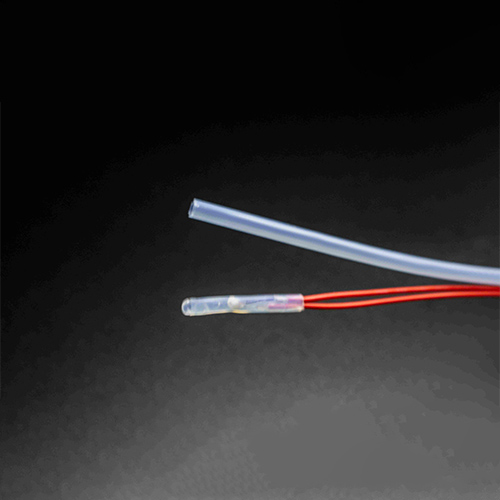
Understanding how to safely remove heat shrinkable tube materials without damaging the wires underneath is an essential skill for technicians, electricians, and DIY enthusiasts. In this guide, we will explore the structure of heat shrink, the reasons for removing it, and the safest methods to remove different types such as ptfe shrink tubing, fep shrink tubing, and other shrinkable tube materials.
What Is Heat Shrink Tubing?
Before discussing removal methods, it is important to understand what heat shrink tubing is and how it works.
Heat shrink tubing is a type of plastic tube that shrinks when heat is applied. It is commonly used to cover exposed electrical connections, providing insulation, mechanical protection, and environmental sealing. When heat is applied using a heat gun or other heating device, the tubing shrinks and tightly conforms to the shape of the wire or connector.
Different types of heat shrink materials are available, including polyolefin, PTFE, and FEP. These materials are used in applications ranging from consumer electronics to aerospace systems. For example:
heat shrink tubing for electrical wires is commonly used in electrical installations to insulate and organize wiring.
heat shrink cable sleeve solutions are used to bundle cables together for protection and neat cable management.
cable heat shrink materials are often used in industrial equipment and automotive wiring systems.
Because heat shrink tubing forms a tight seal, it cannot simply be pulled off once installed. Instead, it must be carefully cut or softened before removal.
Why You May Need to Remove Heat Shrink Tubing
There are several common situations where removing heat shrink becomes necessary.
Electrical Repairs
When repairing damaged wires or replacing connectors, the existing heat shrink tubing for electrical wires may need to be removed to access the underlying components.
Upgrading Wiring Systems
Technicians may remove cable heat shrink when upgrading cable assemblies or replacing older wiring harnesses.
Inspecting Connections
In some cases, troubleshooting requires exposing the solder joint or connector hidden beneath a heat shrinkable tube.
Replacing Cable Protection
Over time, heat shrink materials can become brittle or damaged. Removing the old heat shrink cable sleeve allows new protective tubing to be installed.
Tools Needed to Remove Heat Shrink Tubing
Removing a shrinkable tube requires precision and care. Using the correct tools ensures that the wire insulation or internal conductor is not damaged.
Common tools include:
Precision utility knife or hobby knife
Small wire cutters
Heat gun or hair dryer
Tweezers or small pliers
Electrical tape or heat shrink tape for wires for re-insulation
Always work carefully and avoid cutting too deeply into the tubing.
Method 1: Cutting the Heat Shrink Tubing
The most common method for removing heat shrink tubing for electrical wires is carefully cutting the tubing.
Step 1: Inspect the Tubing
Check the thickness and material of the heat shrinkable tube. Some materials such as ptfe shrink tubing are tougher and may require sharper tools.
Step 2: Make a Small Longitudinal Cut
Using a sharp knife, gently cut along the length of the heat shrink. It is important to cut lightly so that the blade does not damage the wire insulation underneath.
Step 3: Peel the Tubing Away
Once the cut is made, use tweezers or your fingers to gently pull the tubing apart. The shrinkable tube should split open and release from the wire.
Step 4: Clean the Wire
After removing the heat shrink cable sleeve, inspect the wire and clean any adhesive residue if necessary.
This method works well for most standard cable heat shrink materials.
Method 2: Applying Heat Before Removal
Sometimes heat shrink tubing is extremely tight and difficult to cut. In these cases, applying heat can make the tubing more flexible.
Step 1: Heat the Tubing
Use a heat gun or hair dryer to warm the heat shrink tubing for electrical wires. Do not overheat it, as excessive heat may damage the wire insulation.
Step 2: Soften the Material
Heating the heat shrinkable tube makes it slightly softer and easier to cut or peel.
Step 3: Cut and Remove
After softening, carefully slice the tubing lengthwise and peel it off the cable.
This technique is particularly useful for thicker heat shrink cable sleeve products used in industrial cable protection.
Method 3: Removing PTFE or FEP Shrink Tubing
Certain applications use advanced materials such as ptfe shrink tubing or fep shrink tubing, which are commonly found in high-temperature or high-performance environments.
These materials are more durable and resistant to cutting.
PTFE Shrink Tubing Removal
PTFE shrink tubing has excellent chemical resistance and high temperature tolerance. To remove it:
Use a very sharp blade.
Cut slowly along the tubing surface.
Avoid twisting the blade to prevent damaging the wire.
FEP Shrink Tubing Removal
FEP shrink tubing is often used in aerospace and medical devices. It shrinks tightly and forms a smooth protective layer.
To remove fep shrink tubing, gently score the surface with a knife and peel it away using small pliers.
Safety Tips When Removing Heat Shrink Tubing
Working with electrical components always requires caution.
Avoid Cutting the Wire
The most common mistake when removing heat shrink is cutting too deeply and damaging the internal conductor.
Always apply minimal pressure when cutting the heat shrinkable tube.
Disconnect Power
Never attempt to remove heat shrink tubing for electrical wires while the circuit is powered.
Always disconnect the power source before beginning the removal process.
Use Proper Tools
Sharp blades and precision tools help prevent accidental damage to wires or connectors.
Work Slowly
Take your time when removing a shrinkable tube, especially when working with delicate electronic components.
Replacing Heat Shrink After Removal
After removing the old tubing, you may want to install a new protective layer.
Common replacement options include:
heat shrink tubing for electrical wires
heat shrink cable sleeve
heat shrink tape for wires
To install new tubing, slide the tube over the wire, apply heat evenly, and allow it to shrink securely around the connection.
This restores insulation, protects the wiring, and improves cable management.
Applications of Heat Shrink Tubing
Heat shrink tubing is used in many industries due to its versatility and durability.
Electrical Wiring
The most common application is protecting electrical connections using cable heat shrink or heat shrink tubing for electrical wires.
Automotive Systems
Vehicle wiring harnesses often use heat shrink cable sleeve products for insulation and vibration protection.
Industrial Equipment
Industrial machinery relies on durable materials like ptfe shrink tubing to withstand high temperatures and harsh environments.
Aerospace and Medical Devices
High-performance tubing such as fep shrink tubing is widely used where reliability and chemical resistance are critical.
Conclusion
Removing heat shrink tubing may seem challenging because it is designed to tightly seal and protect wires. However, by using proper techniques and tools, you can safely remove a heat shrinkable tube without damaging the underlying wiring.
Methods such as careful cutting, applying heat, and using precision tools are effective for removing different types of tubing, including ptfe shrink tubing, fep shrink tubing, and other shrinkable tube materials.
Whether you are working with heat shrink tubing for electrical wires, replacing a heat shrink cable sleeve, or upgrading a cable assembly, understanding the correct removal techniques ensures safe and efficient electrical maintenance.
By following these steps and safety guidelines, technicians and DIY users can confidently handle heat shrink, repair wiring systems, and maintain reliable electrical connections in a wide range of applications.