




Heat shrink products are widely used in electrical and electronic applications, but many people still ask a fundamental question: can you use heat shrink on electrical wires? The short answer is yes—and in fact, heat shrink is one of the most reliable and professional methods for insulating, protecting, and organizing electrical wiring.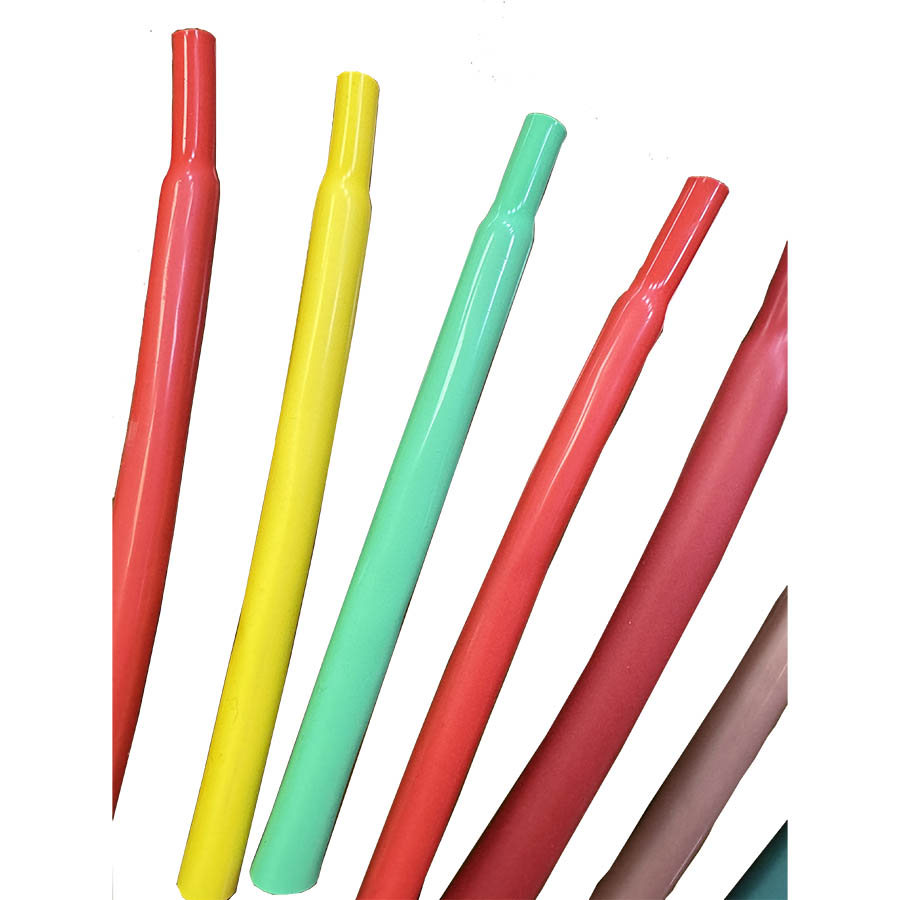
1. What Is Heat Shrink and How Does It Work?
Heat shrink is a specially engineered polymer material that shrinks uniformly when exposed to heat. It is typically supplied in tubular form and is installed by sliding it over a wire or connection, then applying controlled heat using a heat gun.
Once heated, the heat shrink sleeve contracts tightly around the wire, forming a protective layer that provides:
Electrical insulation
Mechanical protection
Moisture and dust sealing
Strain relief
Products such as shrink wrap tubing and wire shrink wrap are designed to shrink to a specific ratio, commonly 2:1, 3:1, or even 4:1.
2. Why Heat Shrink Is Ideal for Electrical Wires
2.1 Electrical Insulation
One of the main reasons to use shrink tubing for wires is electrical insulation. Heat shrink materials are engineered with high dielectric strength, reducing the risk of short circuits and electrical leakage.
2.2 Mechanical Protection
Electrical wires are often exposed to vibration, abrasion, and bending. A properly installed shrink sleeve adds an extra layer of protection, extending wire service life.
2.3 Moisture and Environmental Resistance
Many heat shrink sleeve products provide resistance to moisture, chemicals, oils, and UV exposure. Adhesive-lined heat shrink creates a waterproof seal, making it ideal for outdoor and automotive wiring.
3. Types of Heat Shrink Used for Electrical Wires
3.1 Standard Heat Shrink Sleeve
This is the most commonly used heat shrink sleeve for general-purpose wire insulation. It provides basic protection and is easy to install.
3.2 Adhesive-Lined Shrink Sleeve
These sleeves include a heat-activated adhesive layer that melts during installation, sealing gaps and providing superior environmental protection.
3.3 Shrink Wrap Tubing
Shrink wrap tubing is typically used for bundling and insulating multiple wires together, improving organization and reducing clutter.
3.4 Wire Shrink Wrap
Wire shrink wrap is often used in splices and terminals, providing strain relief and a professional finish.
3.5 Custom Heat Shrink Tubing
For specialized applications, custom heat shrink tubing can be manufactured with specific diameters, colors, wall thicknesses, and shrink ratios.
4. Common Materials Used in Heat Shrink Products
Different applications require different materials:
Polyolefin – Most common, flexible, flame-retardant
PVC – Low cost, good insulation
PTFE – High temperature and chemical resistance
Silicone – Extreme flexibility and temperature tolerance
Choosing the right material is essential when specifying custom heat shrink solutions.
5. How to Use Heat Shrink on Electrical Wires (Step-by-Step)
Step 1: Choose the Right Size
Select shrink tubing for wires with a diameter large enough to slide over the wire before shrinking, but small enough to fit tightly afterward.
Step 2: Cut the Heat Shrink Sleeve
Cut the heat shrink sleeve slightly longer than the area to be covered, allowing full insulation of the joint or exposed section.
Step 3: Position the Sleeve
Slide the shrink sleeve over the wire or splice before making electrical connections if possible.
Step 4: Apply Heat Evenly
Use a heat gun to apply uniform heat. Avoid open flames, which can damage shrink wrap tubing or the wire insulation beneath.
Step 5: Allow to Cool
Once fully shrunk, allow the wire shrink wrap to cool naturally for a secure, durable finish.
6. Advantages of Using Heat Shrink on Electrical Wires
✔ Enhanced Safety
Heat shrink reduces the risk of short circuits, exposed conductors, and accidental contact.
✔ Professional Appearance
Using heat shrink sleeve products results in clean, organized wiring compared to electrical tape.
✔ Long-Term Durability
Unlike tape, shrink tubing for wires does not loosen over time.
✔ Versatility
From household wiring to industrial systems, custom heat shrink tubing can be adapted to almost any requirement.
7. Heat Shrink vs Electrical Tape
| Feature | Heat Shrink | Electrical Tape |
|---|---|---|
| Insulation | Excellent | Moderate |
| Durability | Long-term | Short-term |
| Moisture Resistance | High | Low |
| Appearance | Professional | Inconsistent |
| Maintenance | Minimal | Frequent replacement |
For permanent or safety-critical wiring, shrink wrap tubing is clearly the superior solution.
8. Applications of Heat Shrink on Electrical Wires
8.1 Automotive Wiring
Used extensively for battery cables, sensor wires, and harnesses.
8.2 Industrial Equipment
Protects wiring in machinery, control panels, and automation systems.
8.3 Electronics and PCB Assemblies
Insulates solder joints and fragile conductors.
8.4 Renewable Energy Systems
Used in solar panels, inverters, and wind turbine wiring.
8.5 Marine and Outdoor Installations
Adhesive-lined heat shrink sleeve products offer waterproof protection.
9. Custom Heat Shrink Solutions
For large-scale or specialized projects, custom heat shrink options provide tailored performance:
Custom inner diameter and wall thickness
Color coding and printing
Flame-retardant or halogen-free materials
High-temperature or chemical-resistant designs
Custom heat shrink tubing is widely used by OEMs and professional installers.
10. Common Mistakes to Avoid
Choosing the wrong shrink ratio
Overheating the sleeve
Using flame instead of controlled heat
Failing to cover the entire exposed conductor
Proper installation ensures the shrink sleeve performs as intended.
11. Safety Tips When Using Heat Shrink
Always disconnect power before installation
Use a temperature-controlled heat gun
Work in a well-ventilated area
Follow manufacturer specifications
Safety is a key reason why wire shrink wrap is trusted in professional electrical work.
12. Conclusion
So, can you use heat shrink on electrical wires? Absolutely. Heat shrink is one of the most effective, durable, and professional solutions for insulating and protecting electrical wiring.
Whether you are using standard shrink tubing for wires, adhesive-lined heat shrink sleeve, or fully custom heat shrink tubing, the benefits include improved safety, durability, and performance.
For anyone working with electrical wires—DIY users, technicians, or industrial manufacturers—heat shrink remains an essential solution for modern wiring protection