




In modern industrial, automotive, and electronics applications, protecting cables and wiring from heat, abrasion, and environmental damage is critical for safety, performance, and longevity. A Heat Reflective Sleeve is a specialized protective covering designed to safeguard cables from excessive heat, flames, and harsh operating conditions. These sleeves are increasingly relied upon in high-temperature environments where traditional cable insulation may fail.
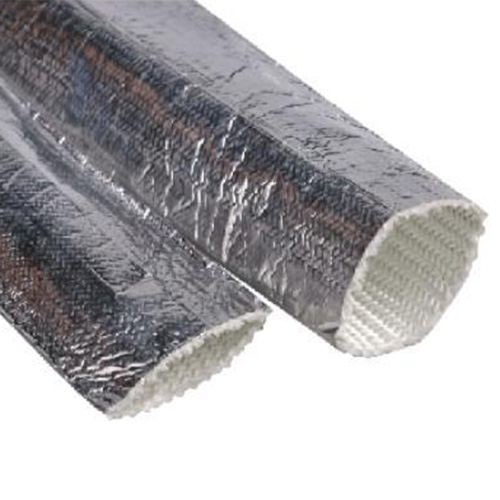
Understanding Heat Reflective Sleeves
A heat reflective sleeve is essentially a conduit made from high-performance materials, often incorporating reflective surfaces or heat-resistant fibers. Its primary purpose is to protect electrical wires, hoses, and cable assemblies from heat sources, such as engine compartments, industrial machinery, or electrical enclosures.
Key functions include:
Thermal Protection – Reflecting radiant heat away from sensitive cables.
Mechanical Protection – Guarding against abrasion, cuts, and impact damage.
Chemical Resistance – Providing protection against oils, solvents, and chemicals.
Fire Retardancy – Reducing flammability in high-temperature areas.
These functions make heat reflective sleeves an indispensable tool in applications where cables are exposed to extreme temperatures or mechanical stress.
Materials Used in Heat Reflective Sleeves
The performance of a heat-resistant cable sleeve depends largely on the materials used in its construction. Common materials include:
Fiberglass – Excellent heat resistance up to 550°C (1022°F), lightweight, and durable.
Aluminized Fabrics – Coated with aluminum foil or powder, these fabrics reflect radiant heat effectively and provide superior flame resistance.
Silicone-Coated Fiberglass – Offers both high thermal tolerance and flexibility, making installation easier in tight spaces.
PTFE or Teflon Coatings – Provide chemical resistance along with thermal protection.
Expandable Braided Sleeving – A versatile option that can expand to fit cable bundles of different diameters while still providing heat and abrasion protection.
By selecting the appropriate material, manufacturers can ensure that cables maintain their performance and longevity, even in demanding environments.
How Heat Reflective Sleeves Protect Cables
1. Reflecting Radiant Heat
One of the primary features of a heat reflective sleeve is its ability to redirect heat away from sensitive cables. Aluminized surfaces reflect up to 95% of radiant heat, preventing insulation breakdown and maintaining signal integrity in electrical wires.
2. Reducing Thermal Conduction
The fibrous structure of sleeves like expandable braided sleeving creates air pockets that act as thermal barriers. This limits heat transfer from surrounding machinery, exhaust components, or hot surfaces directly to the cables.
3. Protecting Against Flame and Sparks
In industrial and automotive environments, accidental contact with sparks or flames is a real hazard. Heat reflective sleeves made from fiberglass or aluminized fabric provide an additional layer of flame resistance, reducing the risk of fire damage.
4. Preventing Mechanical Wear
Beyond thermal protection, these sleeves safeguard cables from abrasion, vibration, and physical impact. The braided structure can absorb shocks and resist fraying, which is especially important in dynamic environments like engine compartments or robotic manufacturing cells.
Applications of Heat Reflective Sleeves
Heat reflective sleeves are used in a wide range of industries where high temperatures and harsh conditions are common. Key applications include:
Automotive
Engine Wiring Harnesses – Protect cables from the heat of engines and exhaust systems.
Turbocharger and Exhaust Systems – Shield hoses and wires from extremely high temperatures.
Battery Packs and Electric Vehicle Components – Maintain insulation integrity in high-temperature environments.
Industrial Machinery
Heavy Equipment and Robotics – Protect cable bundles exposed to friction, sparks, and high thermal loads.
Manufacturing Lines – Ensure uninterrupted operation by safeguarding power and signal cables.
Electronics
Data Centers – Manage heat around high-power servers and power distribution units.
Aerospace and Defense Electronics – Maintain signal reliability in extreme thermal conditions.
Other Applications
Marine and Offshore Equipment – Resist heat, water, and corrosion in confined engine rooms.
Renewable Energy – Protect cables in solar panels, wind turbines, and battery systems exposed to sunlight and heat.
Advantages of Using Heat Reflective Sleeves
Extended Cable Lifespan – By minimizing thermal and mechanical stress, cables last longer and require fewer replacements.
Enhanced Safety – Flame-resistant and heat-reflective properties reduce the risk of fire and electrical failure.
Flexibility and Versatility – Expandable braided sleeving can adapt to different cable diameters and bundle sizes.
Ease of Installation – Many sleeves are designed to be slid over cable bundles easily, saving time and labor costs.
Cost-Effective Protection – Reduces maintenance and downtime costs associated with damaged cables.
Choosing the Right Heat Reflective Sleeve
When selecting a heat reflective sleeve, consider:
Operating Temperature – Ensure the sleeve material can handle peak temperatures.
Mechanical Stress – Check for abrasion and vibration resistance.
Environmental Factors – Chemical exposure, moisture, UV light, and fire risk.
Bundle Size and Flexibility – Expandable sleeves provide versatility for irregular cable assemblies.
Proper selection ensures optimal performance and long-term reliability.
Installation Tips for Heat Reflective Sleeves
Measure Accurately – Ensure the sleeve length covers the entire exposed section of the cable.
Slide or Wrap – Use expandable sleeving for cable bundles or cut and wrap for individual cables.
Secure Ends – Use heat-resistant tape, clamps, or zip ties to prevent fraying and shifting.
Check Clearance – Maintain sufficient distance from moving parts and extremely hot surfaces.
Regular Inspection – Periodically check for wear, fraying, or degradation of the sleeve.
Conclusion
A heat reflective sleeve is a vital component in modern cable management, offering thermal, mechanical, and chemical protection for sensitive cables. By utilizing advanced materials such as aluminized fabrics, fiberglass, and expandable braided sleeving, these sleeves safeguard electrical systems in automotive, industrial, and electronics applications.
In high-temperature environments where cable failure can cause costly downtime, safety hazards, or signal loss, investing in high-quality heat-resistant cable protection is not optional—it’s essential. By choosing the right heat reflective sleeve, manufacturers can ensure durability, reliability, and performance, ultimately extending cable life and protecting critical systems from heat-related damage