




In electrical insulation, cable management, and environmental protection, two common materials often compete for dominance — heat shrinkable tubing and electrical tape. While both serve similar purposes, they differ significantly in performance, durability, and application. In industrial and professional settings, Heat-shrinkable Silicone Rubber Tubing has emerged as a more reliable and long-term solution than traditional electrical tape.
This article explores how heat shrinkable tubes work, compares them with electrical tape, and explains why Silicone Rubber Tubing and polyolefin heat shrink tubing are preferred in modern engineering, automotive, and electronic applications.
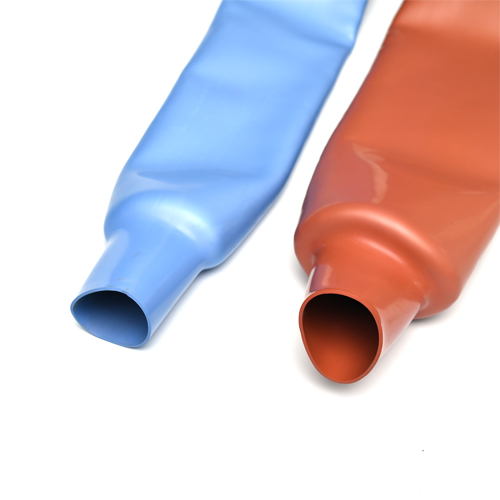
1. Understanding Heat Shrinkable Tubing
A heat shrinkable tube is a specially formulated polymer tubing that contracts when exposed to heat, tightly sealing around the object it covers — such as electrical wires, cables, or terminals.
The primary purpose of heat shrink tubing is to provide mechanical protection, insulation, strain relief, and environmental sealing. Once heated, the tubing conforms perfectly to the shape of the underlying material, creating a long-lasting, professional finish.
Among all types of heat shrink materials, Heat-Shrinkable silicone rubber tubing stands out for its exceptional flexibility, temperature resistance, and chemical stability. It maintains elasticity even in extreme conditions — from freezing cold to high heat — making it ideal for high-performance applications such as aerospace, automotive, medical equipment, and industrial electronics.
2. Electrical Tape: The Traditional Insulation Solution
Electrical tape has long been used for quick insulation and temporary repairs. It is typically made from PVC (polyvinyl chloride) and features a pressure-sensitive adhesive backing.
While it’s inexpensive and easy to apply, electrical tape is often a short-term fix. It can peel, harden, or lose adhesion over time, especially when exposed to moisture, high temperatures, or UV radiation.
For low-voltage household wiring, electrical tape might be adequate. However, in industrial environments, where cables are exposed to vibration, chemicals, and temperature fluctuations, it often fails to provide reliable long-term protection.
3. Key Differences Between Heat Shrinkable Tubing and Electrical Tape
| Aspect | Heat Shrinkable Tubing | Electrical Tape |
|---|---|---|
| Durability | Long-lasting; resistant to wear, heat, and moisture | Limited; adhesive weakens over time |
| Temperature Resistance | Withstands high and low temperatures | Melts or hardens with temperature changes |
| Insulation Quality | Provides uniform insulation and sealing | May leave gaps or uneven layers |
| Application | Permanent solution | Temporary or emergency fix |
| Aesthetic & Professional Finish | Neat, clean, and protective | Messy, adhesive residue possible |
| Material Options | Silicone, polyolefin, fluoropolymer, etc. | Primarily PVC |
From this comparison, it’s clear that heat shrink tubing — particularly silicone rubber tubing and polyolefin heat shrink tubing — provides superior protection, especially for long-term and high-reliability projects.
4. Advantages of Heat-Shrinkable Silicone Rubber Tubing
Heat-Shrinkable Silicone Rubber Tubing combines the mechanical strength of shrink technology with the chemical stability of silicone. Here’s why it’s increasingly used as a replacement for electrical tape in critical applications:
a. Superior Thermal Resistance
Silicone rubber tubing can operate continuously at temperatures ranging from –60°C to +200°C, far beyond what electrical tape can handle. This makes it suitable for environments such as engine compartments, industrial heaters, and aerospace electronics.
b. Excellent Flexibility
Even after heat shrinking, silicone tubing remains soft and flexible. It can bend and twist without cracking, ideal for use in dynamic wiring harnesses and high-movement environments.
c. Chemical and UV Resistance
Unlike PVC tape that deteriorates under sunlight or chemical exposure, silicone tubing resists oils, solvents, and ozone, maintaining performance even in harsh conditions.
d. Strong Electrical Insulation
With a high dielectric strength and consistent wall thickness, silicone heat shrink tubing ensures stable insulation across a wide range of voltages and temperatures.
e. Clean and Professional Finish
The tubing shrinks uniformly around wires or connectors, giving a smooth, permanent seal without adhesive residue — a key advantage over electrical tape.
5. Polyolefin Heat Shrink Tubing: The Most Common Industrial Choice
In addition to silicone, polyolefin heat shrink tubing is another popular material in industrial cable management. It offers a cost-effective balance between flexibility, shrink ratio, and durability.
Key features of polyolefin heat shrink tubing include:
Shrink ratios typically from 2:1 to 4:1, suitable for most wire diameters
Operating temperature range from –55°C to +135°C
Resistance to abrasion and environmental stress cracking
Availability in dual-wall designs for waterproof sealing
While polyolefin heat shrink tubing is the industry standard for general applications, silicone rubber tubing remains the best choice for environments demanding high elasticity, extreme heat tolerance, or medical-grade performance.
6. Application Scenarios: When to Use Each Type
Use Heat-Shrinkable Silicone Rubber Tubing When:
Wires are exposed to high heat or cold
You require long-term, maintenance-free insulation
The project involves medical devices, aviation systems, or automotive engines
Chemical exposure or mechanical stress is frequent
Use Polyolefin Heat Shrink Tubing When:
You need a cost-effective, versatile solution for general wiring
You want a neat finish and moderate environmental protection
Cables are located in indoor or semi-controlled environments
Use Electrical Tape Only When:
You need a temporary repair or low-voltage fix
The project is short-term or non-critical
Accessibility for rework or adjustment is required
7. Installation Process: Applying Heat Shrinkable Tubing Correctly
Applying Heat-Shrinkable Silicone Rubber Tubing or polyolefin tubing is simple but requires precision:
Select the Correct Size:
Choose tubing with a diameter about 25–50% larger than the wire or connector.Cut the Tubing:
Use a clean, sharp cutter to avoid uneven edges.Slide Over the Cable:
Position the tubing before making electrical connections.Apply Heat:
Use a heat gun or controlled heating device. Avoid open flames to prevent damage.Inspect the Finish:
Ensure the tubing fits snugly, with no gaps or bubbles.
This process creates a permanent seal, ensuring optimal insulation and mechanical strength.
8. Why Heat Shrinkable Tubing Outperforms Electrical Tape
When comparing long-term reliability, safety, and appearance, heat shrinkable tubing wins in nearly every category. Electrical tape, while quick and cheap, simply cannot match the engineering-grade protection offered by silicone rubber tubing or polyolefin heat shrink tubing.
Professionals in automotive manufacturing, power systems, communication networks, and industrial automation increasingly rely on heat shrink solutions for stable performance and compliance with international insulation standards.
9. Future Trends: Toward Smarter and Eco-Friendly Insulation
Modern insulation technology continues to evolve toward smart materials and eco-sustainable designs.
Manufacturers are developing:
Halogen-free silicone rubber tubing for environmentally friendly applications
Flame-retardant polyolefin heat shrink tubing for safety-critical sectors
Color-coded and printable tubing for easier cable identification
The shift away from adhesive-based insulation (like electrical tape) reflects a broader industry trend toward cleaner, longer-lasting, and more professional insulation methods.
10. Conclusion: The Better Choice for Long-Term Protection
When it comes to reliability, performance, and safety, heat shrinkable tubing — especially Heat-Shrinkable Silicone Rubber Tubing — clearly outperforms traditional electrical tape.
Its superior temperature resistance, insulation stability, and mechanical durability make it the best choice for demanding industrial, automotive, and electronic applications.
For general-purpose use, polyolefin heat shrink tubing offers excellent value and versatility.
But for extreme environments or professional installations requiring maximum protection and flexibility, silicone rubber tubing is unmatched.
In short, if you want a cleaner, safer, and more durable solution for wire insulation and protection, Heat-Shrinkable Silicone Rubber Tubing is the clear winner.