




In modern electrical and mechanical engineering, ensuring reliable cable protection has become a crucial part of system design. From automotive wiring harnesses to industrial automation systems, cables and wires are constantly exposed to harsh environments—heat, vibration, and electromagnetic interference (EMI). To address these challenges, Aluminum Foil Corrugated Conduit has emerged as one of the most efficient and durable solutions for safeguarding wiring and cables.
1. Understanding Aluminum Foil Corrugated Conduit
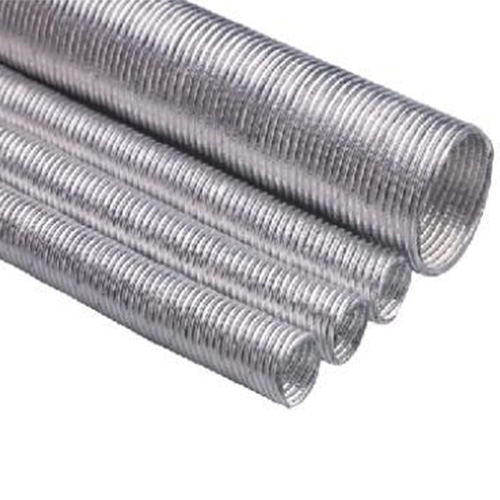
Aluminum Foil Corrugated Conduit is a flexible protective tubing designed to house and protect electrical wires, fiber optic cables, or fluid hoses. The conduit is constructed using high-quality aluminum foil material formed into a corrugated structure, giving it both flexibility and strength.
Unlike rigid metal conduits, this corrugated conduit offers superior bendability, allowing easy routing of cables through complex layouts and tight spaces. The combination of aluminum’s natural reflectivity and the corrugated design makes it resistant to heat, EMI, and external mechanical damage.
Key Specifications
| Parameter | Specification |
|---|---|
| Operating Temperature | -50℃ to +200℃ |
| Flame Resistance Rating | UL94 V0, VW-1 |
| Certificate | RoHS |
| Standard Colors | Natural Color of Aluminum Foil |
| Cutting Tool | Scissors |
These specifications highlight the conduit’s ability to perform under extreme conditions while meeting safety and environmental standards.
2. Structural Composition and Design
The corrugated electrical tubing design is not just for aesthetics—it’s engineered for performance. The corrugation process creates ridges and grooves along the tube’s surface, providing both flexibility and compressive strength.
Material Composition
Aluminum Foil Layer: Acts as the primary shield, providing excellent thermal resistance and EMI shielding.
Reinforced Corrugated Structure: The wave-like structure distributes stress evenly, preventing cracks and enhancing flexibility.
Optional Inner Layer (Plastic or Polyethylene): Sometimes used to provide additional insulation or smooth internal passage for wires.
Why Corrugation Matters
Corrugation improves mechanical resilience. The geometry allows the tubing to bend without kinking or losing shape, maintaining a clear internal channel for cables. This makes it ideal for environments where frequent bending or vibration occurs, such as in automotive engine compartments or robotics.
3. Working Principle of Aluminum Foil Corrugated Conduit
The core working principle of Aluminum Foil Corrugated Conduit lies in its dual protective mechanism—physical shielding and electromagnetic shielding.
a. Physical Protection
The aluminum corrugated structure protects internal cables from:
Abrasion: The outer metal layer resists mechanical wear and tear.
Heat: Aluminum’s high thermal reflectivity deflects radiant heat away from the cables.
Vibration: The flexible structure absorbs mechanical vibrations, preventing wire fatigue.
b. Electromagnetic Shielding
Aluminum foil is an excellent conductor and serves as a Faraday cage around the internal wires. It prevents electromagnetic interference (EMI) from affecting signal transmission. In sensitive electronic systems, this shielding helps maintain signal integrity and prevents cross-talk between adjacent cables.
4. Thermal and Flame Resistance
One of the standout features of the Aluminum Foil Corrugated Conduit is its exceptional thermal stability.
With an operating temperature range of -50℃ to +200℃, it can function effectively in both freezing and high-temperature environments. This makes it suitable for aerospace, automotive, and industrial applications where temperature fluctuations are frequent.
Moreover, its flame resistance rating of UL94 V0 and VW-1 ensures that the conduit can resist ignition and self-extinguish if exposed to open flames—providing a high level of safety in electrical installations.
5. Advantages of Using Aluminum Foil Corrugated Conduit
1. Excellent Heat Protection
The aluminum surface reflects radiant heat, keeping the internal temperature lower and protecting wires from thermal degradation.
2. Superior EMI Shielding
The continuous aluminum layer effectively blocks electromagnetic radiation, which is especially useful in high-frequency or data transmission environments.
3. Lightweight and Flexible
Compared with traditional steel conduits, aluminum foil corrugated conduit is lightweight and easier to handle while maintaining strong mechanical properties.
4. Easy Installation
It can be easily cut with scissors, bent manually, and routed through tight corners without specialized tools.
5. Environmentally Friendly
Certified with RoHS, it is free from hazardous materials like lead and cadmium, aligning with modern green manufacturing standards.
6. Corrosion Resistance
Aluminum naturally forms an oxide layer that protects against corrosion, making it suitable for outdoor or humid environments.
7. Cost-Effective Solution
Compared to stainless steel or heavy metal tubing, aluminum corrugated conduit offers similar protection at a significantly lower cost.
6. Common Applications
Because of its diverse benefits, Aluminum Foil Corrugated Conduit is used across a variety of industries and systems:
1. Automotive Wiring Harness Protection
Used to protect cables from heat generated by engines and exhaust systems while reducing EMI from electronic components.
2. Aerospace and Aviation
Ideal for protecting sensitive wiring in high-temperature zones, such as near turbines or avionics equipment.
3. Industrial Automation
Serves as a flexible cable management solution for robotic arms and conveyor systems that require frequent movement.
4. Telecommunications
Ensures data cables are shielded from EMI, improving signal clarity and reducing transmission loss.
5. HVAC Systems
Used to protect temperature sensors, control wires, and tubing from both heat and mechanical damage.
6. Renewable Energy Systems
In solar and wind power setups, corrugated conduit helps protect wiring exposed to outdoor elements.
7. Household Appliances
Protects internal wiring in ovens, dryers, and other high-heat appliances.
7. Comparison with Other Conduit Types
| Feature | Aluminum Foil Corrugated Conduit | Plastic Corrugated Tubing | Metallic Rigid Conduit |
|---|---|---|---|
| Flexibility | Excellent | Excellent | Poor |
| EMI Shielding | Excellent | Weak | Strong |
| Weight | Light | Very Light | Heavy |
| Temperature Resistance | -50℃ to +200℃ | -20℃ to +80℃ | -50℃ to +400℃ |
| Flame Retardancy | UL94 V0, VW-1 | Limited | Excellent |
| Installation Ease | Very Easy | Very Easy | Moderate |
| Cost | Moderate | Low | High |
This table demonstrates that Aluminum Foil Corrugated Conduit strikes an ideal balance between performance, protection, and cost-efficiency.
8. How to Install Aluminum Foil Corrugated Conduit
Installing corrugated electrical tubing is straightforward and efficient, even for large-scale projects. Here are the general steps:
Measure the Required Length: Determine the conduit length based on cable routing.
Cut the Conduit: Use scissors or a sharp cutting knife for a clean edge.
Insert the Cable: Gently feed the wire or hose through the conduit.
Secure the Ends: Use clamps or adhesive tape to fix both ends to prevent movement.
Check for Flexibility: Ensure the conduit moves freely without stress or kinking.
Because of its light structure, installation requires minimal labor and no specialized tools.
9. Maintenance and Durability
Aluminum Foil Corrugated Conduit is low-maintenance but should still be inspected periodically in critical installations.
Maintenance tips:
Check for physical damage or punctures.
Ensure all connections remain tight and sealed.
Replace any damaged sections immediately to maintain full EMI shielding.
Avoid excessive bending beyond rated curvature limits.
Proper maintenance ensures a long lifespan and consistent performance even in demanding environments.
10. Environmental and Safety Considerations
Sustainability is increasingly important in modern engineering. The RoHS certification confirms that this conduit is environmentally friendly, free of toxic substances, and safe for use in residential and industrial applications alike.
Additionally, its UL94 V0 flame rating ensures enhanced fire safety, a vital factor for compliance with building and electrical standards.
11. Why Choose Aluminum Foil Corrugated Conduit Over Traditional Sleeving?
While sleeving products, braided wire loom, or braided cable sleeve types are effective for basic cable organization, they may not provide sufficient EMI shielding or high-temperature resistance.
In contrast, Aluminum Foil Corrugated Conduit offers all-in-one protection—mechanical, thermal, and electromagnetic—making it the preferred choice for demanding environments such as automotive, aerospace, and heavy machinery sectors.
For applications where cable integrity is critical, the corrugated conduit outperforms standard hose sleeve or textile-based protection.
12. Conclusion
The Aluminum Foil Corrugated Conduit represents a perfect blend of engineering functionality and material innovation. With its ability to withstand temperatures from -50℃ to +200℃, meet UL94 V0 flame standards, and comply with RoHS environmental certifications, it stands out as a versatile and reliable cable protection solution.
Whether it’s used in industrial automation, automotive systems, or aerospace applications, this corrugated electrical tubing ensures long-term safety, flexibility, and signal integrity. Easy to cut with scissors, lightweight, and corrosion-resistant, it simplifies installation while offering professional-grade performance.
In a world increasingly dependent on reliable electrical connections, Aluminum Foil Corrugated Conduit proves that intelligent design can provide both protection and performance—helping engineers build safer, more efficient systems across every industry.