




In the modern world of advanced wiring systems and industrial manufacturing, the need for safe, durable, and easily managed cable protection has never been greater. One of the most innovative solutions developed to address these needs is the double-layer self-sealing sheath. This advanced type of sleeving combines the flexibility of braided construction with a self-closing mechanism, providing users with reliable protection and easy maintenance.
This article explores the structure, performance, materials, and applications of the double-layer self-sealing sheath—highlighting why it has become an essential solution in industries such as automotive, aerospace, electrical engineering, and machinery manufacturing.
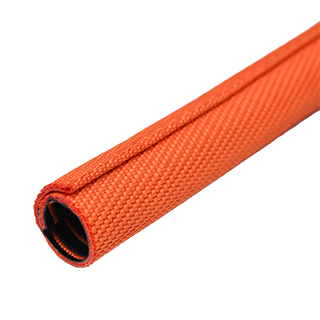
1. Definition and Structure of Double-Layer Self-Sealing Sheath
A double-layer self-sealing sheath is a specially engineered protective sleeving designed to wrap around cables, hoses, and wire harnesses for insulation, abrasion resistance, and heat protection. Unlike traditional braided wire looms, which must be threaded over wires during assembly, this sheath features an overlapping self-closing design. It can be easily wrapped around pre-installed cables without removing connectors or terminals.
The term double-layer refers to the dual-layer construction:
Outer Layer: Made of durable PET (Polyethylene Terephthalate) monofilament yarn, it offers excellent wear resistance and heat tolerance.
Inner Layer: Composed of softer multifilament fibers to ensure smooth contact with wires, reducing friction and noise during vibration.
This dual-layer design gives the sheath a strong structure with self-sealing capability. When the sleeve is opened slightly, it easily wraps around a cable bundle, then naturally springs back to a closed position. The overlapping edges form a continuous protective barrier against abrasion, heat, and contaminants.
2. Technical Specifications
Below are the typical specifications for a high-quality double-layer self-sealing braided cable sleeve:
Property
Specification
Operating Temperature | -40℃ to +150℃ |
Melting Point | 240℃ ±10℃ |
Flame Resistance Rating | FMV SS302 |
Certificate | RoHS |
Standard Colors | Black, Orange |
Cutting Tool | Cutting Knife, Scissors |
These technical features indicate that the sheath performs reliably even in harsh environments, from low-temperature outdoor conditions to high-temperature industrial systems.
3. Key Material Characteristics
The double-layer self-sealing sheath is primarily made of PET and PA (polyamide) materials that combine mechanical strength and flexibility. These materials bring multiple advantages:
High Temperature Resistance: With an operating range of -40℃ to +150℃, it is suitable for both cold and heat-exposed installations such as engine bays or control cabinets.
Excellent Abrasion Resistance: The braided outer layer protects cables against sharp edges, friction, and vibration damage.
Chemical Resistance: The material resists oil, fuel, solvents, and most industrial chemicals, extending cable life in mechanical systems.
Flame Retardant: Meeting FMV SS302 standards, the braided cable sleeve offers enhanced safety by slowing down flame spread.
Environmentally Compliant: Certified under RoHS, this sleeving is free from harmful substances like lead and cadmium.
These properties make the sheath an ideal choice for use in automotive wiring, machinery cable protection, and even aerospace electrical systems.
4. The Self-Sealing Mechanism
One of the defining features of this sheath is its self-sealing structure. Instead of using zippers, tape, or Velcro, the braided design itself acts as a closure. When users open the sheath slightly, they can easily insert a cable bundle inside. As soon as the tension is released, the sheath automatically returns to its original shape, creating a secure wrap.
This simple yet effective braided wire loom design eliminates the need for complex tools or labor-intensive assembly. It also allows for retrofitting existing installations, where cables are already connected to equipment.
Moreover, because of its overlapping dual-layer construction, the sheath remains flexible and stable even when subjected to bending or vibration. The snug fit helps minimize noise caused by cable movement, a critical factor in automotive and electronic applications.
5. Comparison with Other Cable Protection Products
To understand the superiority of the double-layer self-sealing sheath, let’s compare it with other common cable protection options:
Feature
Double-Layer Self-Sealing Sheath
Single-Layer Braided Sleeve
Hose Sleeve (Conventional)
Installation | Tool-free, self-closing | Requires threading | Requires clamping or wrapping |
Protection Level | High abrasion & thermal resistance | Medium | Depends on material |
Flexibility | Excellent | Good | Limited |
Maintenance | Easy to open & re-close | Difficult to reapply | Moderate |
Visual Appearance | Clean, professional | Average | Basic |
Noise Reduction | Yes (inner layer cushioning) | No | Minimal |
As seen above, the double-layer design combines the best attributes of both braided cable sleeves and hose sleeves—providing flexibility, aesthetics, and superior protection.
6. Applications in Different Industries
The versatility of this sleeving makes it suitable for a wide range of industries and applications.
Automotive and Transportation
The double-layer self-sealing braided wire loom is widely used in vehicles for protecting wiring harnesses in engine compartments, battery systems, and underbody electrical systems. It resists oil, vibration, and high temperatures while allowing quick maintenance.
Aerospace and Defense
Aircraft and defense systems require lightweight, durable, and flame-retardant materials. This braided cable sleeve provides insulation and vibration protection while maintaining compliance with strict safety standards.
Industrial Machinery
In automation and robotics, cables and hoses move constantly, often exposed to metal surfaces or heat. The hose sleeve helps prevent mechanical wear, while the double-layer sheath ensures durability and easy inspection.
Home and Office Cable Management
Beyond heavy industry, this product is increasingly used for organizing computer cables, entertainment systems, and office wiring, offering a professional and tidy appearance.
7. Advantages of Double-Layer Self-Sealing Sleeving
(1) Fast and Easy Installation
No need to disconnect cables or use tools—simply wrap and press. This feature makes the sleeving perfect for maintenance, repair, and retrofitting.
(2) Enhanced Durability
The double-layer structure provides additional protection against abrasion and heat, making it more robust than single-layer sleeves.
(3) Noise Reduction
The inner layer prevents cable vibration noise, a key advantage in automotive interiors and sensitive equipment.
(4) Flexibility and Reusability
It can be reopened for cable replacement or inspection without cutting, significantly extending service life.
(5) Safety and Certification
Compliant with RoHS and flame-resistant under FMV SS302, this braided wire loom ensures both environmental and operational safety.
(6) Aesthetic Finish
The overlapping weave pattern creates a clean, professional appearance, ideal for visible installations and high-end electronic systems.
8. Color and Customization Options
The double-layer self-sealing sheath is available in standard colors such as black and orange, providing visual distinction for different wiring systems—black for general use, orange often for high-voltage or safety circuits in electric vehicles.
However, customization is widely supported:
Size Range: Various diameters from 5mm to 50mm or larger.
Material Options: PET, nylon, or high-temperature versions (up to 200°C).
Color and Pattern: Customized colors, stripes, or reflective patterns.
Cutting Methods: Hot knife or laser cutting to prevent fraying.
Branding: Custom logos or identification printing available for OEM clients.
These customization options make the braided cable sleeve suitable for both industrial production and retail applications.
9. Cutting and Handling
When handling or preparing the sleeving, it’s essential to use appropriate tools. The recommended cutting tools are:
Cutting Knife: For precise straight cuts during large-scale production.
Scissors: For on-site or manual cutting during installation.
Using heat-cutting techniques can melt the edge slightly, preventing frayed ends and ensuring a clean, professional finish.
10. Installation Best Practices
To achieve optimal performance from your double-layer self-sealing sheath, follow these guidelines:
Measure Before Cutting: Determine the correct length to cover the entire wire or hose.
Use Hot Knife Cutting: This seals the ends and prevents unraveling.
Wrap Evenly: Ensure the overlapping section is properly aligned for a secure fit.
Fix the Ends: Use heat-shrink tubing or zip ties at both ends for stability.
Regular Inspection: Periodically check for wear or contamination in harsh environments.
Proper installation guarantees long-lasting cable protection and system safety.
11. Environmental and Safety Considerations
Sustainability and compliance are critical in modern manufacturing. The double-layer self-sealing braided cable sleeve meets RoHS environmental standards, meaning it contains no hazardous substances. It is recyclable and designed for long service life, reducing waste and supporting eco-friendly production goals.
Additionally, the FMV SS302 flame-resistance rating ensures that in case of fire, the material slows flame spread, minimizing potential damage and increasing overall safety in vehicles and equipment.
12. The Future of Cable Protection
The future of sleeving technology is moving toward intelligent and sustainable design. Manufacturers are experimenting with recyclable materials, enhanced thermal fibers, and even sensor-embedded sleeves that monitor temperature or current flow in real time. The double-layer self-sealing sheath provides a perfect foundation for such innovations, thanks to its structural flexibility and easy integration capabilities.
13. Conclusion
The double-layer self-sealing sheath is more than just a cable covering—it’s an intelligent solution for modern wiring protection. By combining braided wire loom strength, hose sleeve flexibility, and a self-closing mechanism, it delivers unmatched convenience, durability, and safety.
With an operating temperature of -40℃ to +150℃, a melting point of 240℃ ±10℃, and a flame resistance rating of FMV SS302, it stands up to the toughest industrial and automotive conditions. Certified under RoHS, and available in black or orange, it is the ideal choice for professionals who demand performance and reliability.
Whether used in vehicles, aerospace systems, industrial automation, or home electronics, the double-layer self-sealing braided cable sleeve represents the evolution of cable management—combining protection, practicality, and professional aesthetics in one innovative product.