




Heat shrink tubing is commonly used to insulate and protect wires, cable connections, terminals, and other electrical components. When heat is applied, the tubing shrinks around the covered area and creates a tighter protective layer.
But how should heat shrink tubing be used correctly for wires and electrical connections?
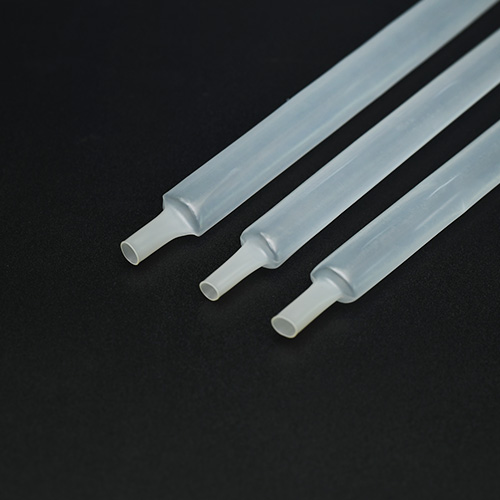
What Is Heat Shrink Tubing Used For?
Heat shrink tubing can be used to provide additional insulation and protection for electrical wires and components. It is commonly used in wire assemblies, cable harnesses, electrical connections, and other applications where exposed areas require additional protection.
Depending on the material and specification, heat shrink tubing for wires can help with:
Electrical insulation
Wire and cable protection
Protection of electrical connections
Wire bundling and organization
Mechanical protection
Color coding and cable identification
How to Use Heat Shrink Tubing Step by Step
1. Choose the Right Heat Shrink Tubing Size
Before installation, select tubing with an internal diameter large enough to fit over the wire, connector, or electrical component before shrinking.
After heat is applied, the tubing should shrink tightly enough to cover and protect the required area.
2. Cut the Tubing to the Required Length
Cut the heat shrink tubing according to the length of the area that needs to be covered.
The tubing should provide enough coverage for the electrical connection or exposed wire section without unnecessarily extending into other components.
3. Place the Tubing Over the Wire or Connection
Slide the tubing over the wire before completing a connection if the connector or terminal is larger than the tubing diameter.
Once the electrical connection is completed, position the tubing over the area that requires insulation or protection.
4. Apply Heat Evenly
Apply heat evenly around the tubing so that it shrinks gradually around the wire or electrical connection.
Uneven heating may cause the tubing to shrink inconsistently, so the heat source should be moved around the tubing during the shrinking process.
5. Allow the Tubing to Cool
After the tubing has fully shrunk around the component, allow it to cool before moving or handling the assembly.
Once cooled, check that the tubing is positioned correctly and provides sufficient coverage.
How to Choose Heat Shrink Tubing for Electrical Wires
When selecting electrical heat shrink tubing, several factors should be considered.
Wire Diameter
The tubing size should match the diameter of the wire or wire bundle being covered.
Shrink Ratio
Different heat shrink tubing products may have different shrink ratios, such as 2:1 or 3:1.
The shrink ratio should be selected according to the difference between the original component size and the required final tubing size.
Application Environment
Temperature, moisture exposure, mechanical stress, and electrical requirements can all affect the type of tubing required.
Material Requirements
Different materials may provide different levels of flexibility, insulation, and environmental resistance.
For example, polyolefin heat shrink tubing is commonly used in electrical and cable protection applications where insulation and flexibility are required.
Common Applications of Heat Shrink Tubing
Heat shrink tubing can be used across a wide range of electrical and industrial applications.
Electrical wire insulation
Cable and wire harness assemblies
Connector protection
Terminal insulation
Electronic component protection
Wire identification and organization
Choose the Right Heat Shrink Tubing for Your Application
Selecting the right heat shrink tubing depends on the size of the component, the required shrink ratio, and the conditions of the application environment.
For projects involving different wire sizes or application requirements, selecting the appropriate tubing specifications can help provide more effective insulation and protection.
At Gendian Materials, we provide heat shrinkable tubing solutions for wire, cable, and electrical protection applications.
To explore available products and specifications, visit ourHeat Shrinkable Tubeproduct page. You can also contact us with your project requirements for suitable product recommendations.