




With the rapid development of electric vehicles, energy storage systems, and high-power electrical equipment, high-voltage battery cables are facing increasingly demanding operating conditions. Higher voltage platforms, compact system designs, and increased power density create new challenges for cable reliability, especially under extreme temperatures and continuous mechanical stress.
In modern electrical systems, cable protection is no longer only about preventing physical damage. Engineers must also consider thermal aging, electrical insulation performance, vibration resistance, chemical exposure, and long-term durability. Without proper protection, high-voltage cables may experience insulation degradation, reduced service life, or even safety risks.
To address these challenges, manufacturers are increasingly using advanced protection materials such as high temperature tubing, heat shrink tubing, Fluoropolymer Tubing, and silicone tubing for wire harness. These solutions help improve cable reliability in electric vehicles, battery systems, industrial equipment, and other demanding applications.
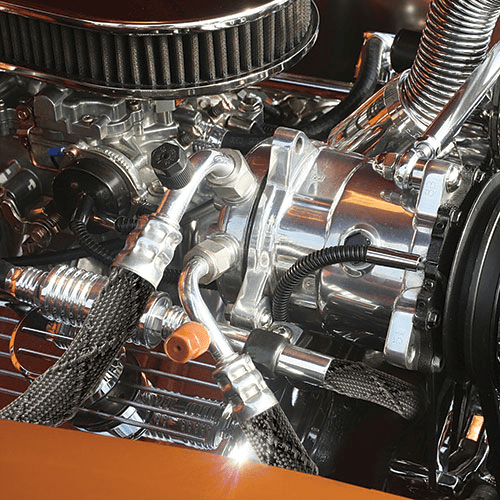
Why Do High-Voltage Battery Cables Need Better Protection?
High-voltage battery systems operate under conditions that are much more challenging than traditional low-voltage electrical systems. In electric vehicles and energy storage equipment, cables are often installed near heat-generating components such as battery modules, motors, power converters, and charging systems.
During operation, these cables may be exposed to:
High temperatures generated by batteries and power electronics
Continuous vibration from vehicle movement or industrial machinery
Mechanical friction caused by tight installation spaces
Chemical exposure from coolant, oil, and cleaning agents
Moisture and environmental contamination
High electrical voltage requirements
These factors can accelerate insulation aging and increase the possibility of electrical failure. Therefore, reliable high voltage cable protection has become an essential part of modern electrical system design.
What Problems Can Unprotected Battery Cables Cause?
A high-voltage cable is not simply a conductor that transfers electrical energy. It is a critical safety component that must maintain stable performance throughout the product lifecycle.
| Challenge | Potential Impact |
|---|---|
| Extreme heat | Accelerated insulation aging and reduced cable lifespan |
| Abrasion and friction | Damage to cable insulation and exposed conductors |
| Vibration | Mechanical fatigue and connection problems |
| Chemical exposure | Material degradation and performance loss |
| Moisture | Reduced insulation reliability and safety risks |
For this reason, selecting the right protection material is just as important as selecting the cable itself. The correct protective tubing can significantly improve system stability and reduce maintenance requirements.
How Does High Temperature Tubing Protect Electrical Systems?
High temperature tubing is designed to maintain reliable performance in environments where ordinary plastic protection materials cannot withstand continuous heat exposure.
Unlike standard tubing materials that may soften, crack, or lose mechanical strength at elevated temperatures, high-performance tubing materials are engineered for demanding applications where thermal resistance and insulation are required.
Typical applications include:
Electric vehicle battery packs
Motor wiring systems
Power electronics
Industrial automation equipment
Energy storage systems
High-temperature electrical assemblies
By providing a protective barrier around cables and wires, high temperature tubing helps prevent heat-related damage while maintaining flexibility and installation efficiency.
The Role of Silicone Tubing for Wire Harness Protection
Silicone tubing for wire harness is widely used in applications that require excellent flexibility, heat resistance, and long-term environmental stability.
Silicone materials offer several advantages:
Excellent resistance to high and low temperatures
High flexibility for complex cable routing
Good electrical insulation performance
Resistance to aging and environmental exposure
Soft surface protection for sensitive wires
In electric vehicles and industrial equipment, wire harnesses often need to pass through narrow spaces while experiencing continuous movement. Silicone tubing provides additional protection without significantly increasing the overall weight or stiffness of the cable assembly.
For applications requiring repeated bending, vibration resistance, or protection around sensitive wiring systems, silicone-based solutions can provide reliable long-term performance.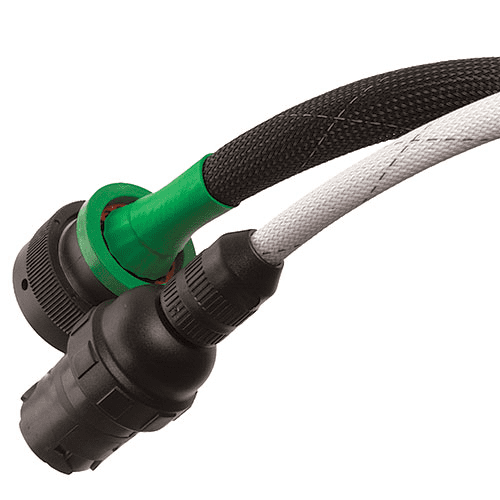
Why Choose Fluoropolymer Tubing for High-Voltage Applications?
For electrical systems that require extreme temperature resistance, chemical stability, and excellent insulation performance, fluoropolymer tubing is one of the most reliable protection solutions available.
Fluoropolymer materials such as PTFE, FEP, and PFA are widely used in demanding industrial applications because they can maintain stable performance under harsh operating conditions. These materials are especially suitable for high-voltage systems where safety, durability, and reliability are critical.
Compared with conventional plastic tubing, fluoropolymer tubing provides:
Outstanding resistance to high temperatures
Excellent electrical insulation properties
Superior chemical resistance
Low friction performance
Long-term dimensional stability
Resistance to moisture and environmental factors
These advantages make fluoropolymer tubing suitable for applications such as EV battery systems, power electronics, semiconductor equipment, aerospace wiring, and industrial control systems.
How Does Heat Shrink Tubing Improve Cable Safety?
Heat shrink tubing is another important method for protecting high-voltage cables and electrical connections. When heated, the tubing contracts tightly around the cable or connection point, creating a secure protective layer.
This technology helps solve several common cable protection challenges:
Improves electrical insulation between components
Provides protection against moisture and contaminants
Reduces cable movement and mechanical stress
Protects terminals, joints, and connection areas
Improves overall cable assembly reliability
In electric vehicle applications, heat shrink solutions are often used around battery connections, power cables, terminals, and wire harness components where additional insulation and environmental protection are required.
How Does EV Battery Cable Insulation Improve Safety?
As electric vehicles move toward higher voltage platforms, effective EV battery cable insulation has become increasingly important. Modern EV systems commonly operate under higher electrical loads, creating greater requirements for thermal management and insulation reliability.
A properly designed insulation system helps:
Prevent electrical leakage
Reduce the risk of short circuits
Improve protection against external damage
Maintain stable performance during temperature changes
Extend the service life of battery components
Battery cables must perform reliably throughout different driving conditions, including high temperatures, vibration, humidity, and mechanical movement. Selecting the right protective tubing material helps manufacturers achieve safer and more durable electrical systems.
Silicone Tubing vs Fluoropolymer Tubing: How to Choose?
Different applications require different protection solutions. Silicone tubing and fluoropolymer tubing both provide excellent performance, but their advantages make them suitable for different environments.
| Material | Main Advantages | Typical Applications |
|---|---|---|
| Silicone Tubing | Flexible, heat resistant, excellent weather resistance | Wire harnesses, EV systems, industrial equipment |
| PTFE Tubing | Excellent chemical resistance and high temperature performance | Chemical systems, electrical insulation, industrial applications |
| FEP Tubing | Flexible fluoropolymer material with strong electrical properties | High-temperature wiring and protection systems |
| PFA Tubing | High purity and excellent chemical resistance | Semiconductor, medical, and precision equipment |
Choosing the correct material depends on operating temperature, voltage requirements, flexibility needs, chemical exposure, and installation environment.
Where Are High-Temperature Cable Protection Solutions Used?
Advanced cable protection materials are used across many industries where electrical reliability is essential.
Electric Vehicles and Battery Systems
EV manufacturers use high-performance tubing solutions to protect battery cables, motor wiring, charging systems, and power connections from heat, vibration, and environmental stress.
Industrial Automation Equipment
Robots and automated machines require flexible protection because cables experience continuous movement. Silicone tubing and heat-resistant protection materials help improve cable durability and reduce maintenance frequency.
Energy Storage Systems
Large battery storage systems require reliable insulation and thermal protection to maintain safe operation during long-term energy cycling.
Power Electronics and Electrical Equipment
Inverters, converters, and electrical control systems often generate significant heat. High-performance tubing helps protect sensitive wiring components in these environments.
How to Select the Right Cable Protection Solution?
Selecting suitable cable protection requires understanding the complete working environment rather than choosing materials based on temperature alone.
Engineers should consider the following factors:
Operating temperature: Determine whether the application requires silicone, PTFE, FEP, PFA, or other high-performance materials.
Electrical requirements: Consider voltage levels, insulation requirements, and safety standards.
Mechanical conditions: Evaluate vibration, bending, abrasion, and installation space.
Chemical exposure: Select materials that can withstand oils, solvents, coolant, or other chemicals.
Installation requirements: Consider flexibility, assembly efficiency, and maintenance needs.
A properly selected protection solution can improve system reliability while reducing long-term operating costs.
Reliable High-Temperature Tubing Solutions from Gendian Materials
Gendian Materials specializes in the development and manufacturing of high-performance tubing solutions, including Silicone Rubber Tubing, heat shrink tubing, and fluoropolymer tubing designed for demanding industrial applications.
With experience in material development and extrusion technology, Gendian Materials provides customized solutions for customers requiring reliable protection in electrical, automotive, energy, medical, and industrial fields.
Whether you need protection for EV battery cables, wire harness systems, or high-temperature electrical applications, selecting the right material can significantly improve safety, durability, and overall system performance.
For customized tubing requirements, contact Gendian Materials to discuss your application conditions, material selection, and performance requirements.
Frequently Asked Questions
1. What type of tubing is best for high-temperature cable protection?
The best tubing depends on the application requirements. Silicone tubing is suitable for flexible high-temperature protection, while fluoropolymer tubing such as PTFE, FEP, and PFA provides excellent chemical resistance and electrical insulation.
2. Why is heat shrink tubing used for battery cables?
Heat shrink tubing provides insulation, sealing, and mechanical protection for cable connections, helping improve reliability in high-voltage electrical systems.
3. Can silicone tubing be used for EV wire harness applications?
Yes. Silicone tubing offers flexibility, temperature resistance, and environmental durability, making it suitable for many EV wire harness protection applications.
4. What makes fluoropolymer tubing suitable for high-voltage applications?
Fluoropolymer tubing provides excellent electrical insulation, high-temperature resistance, and chemical stability, making it suitable for demanding electrical environments.
5. How can cable protection improve battery system safety?
Proper cable protection helps prevent insulation failure, mechanical damage, and environmental degradation, improving the safety and service life of battery systems.