




As electronic equipment becomes smaller while operating in increasingly demanding environments, protecting wiring systems has become more challenging than ever. Whether in electric vehicles, aerospace, medical devices, renewable energy systems, or industrial automation, engineers rely on advanced heat shrinkable tube solutions to provide insulation, sealing, and mechanical protection.
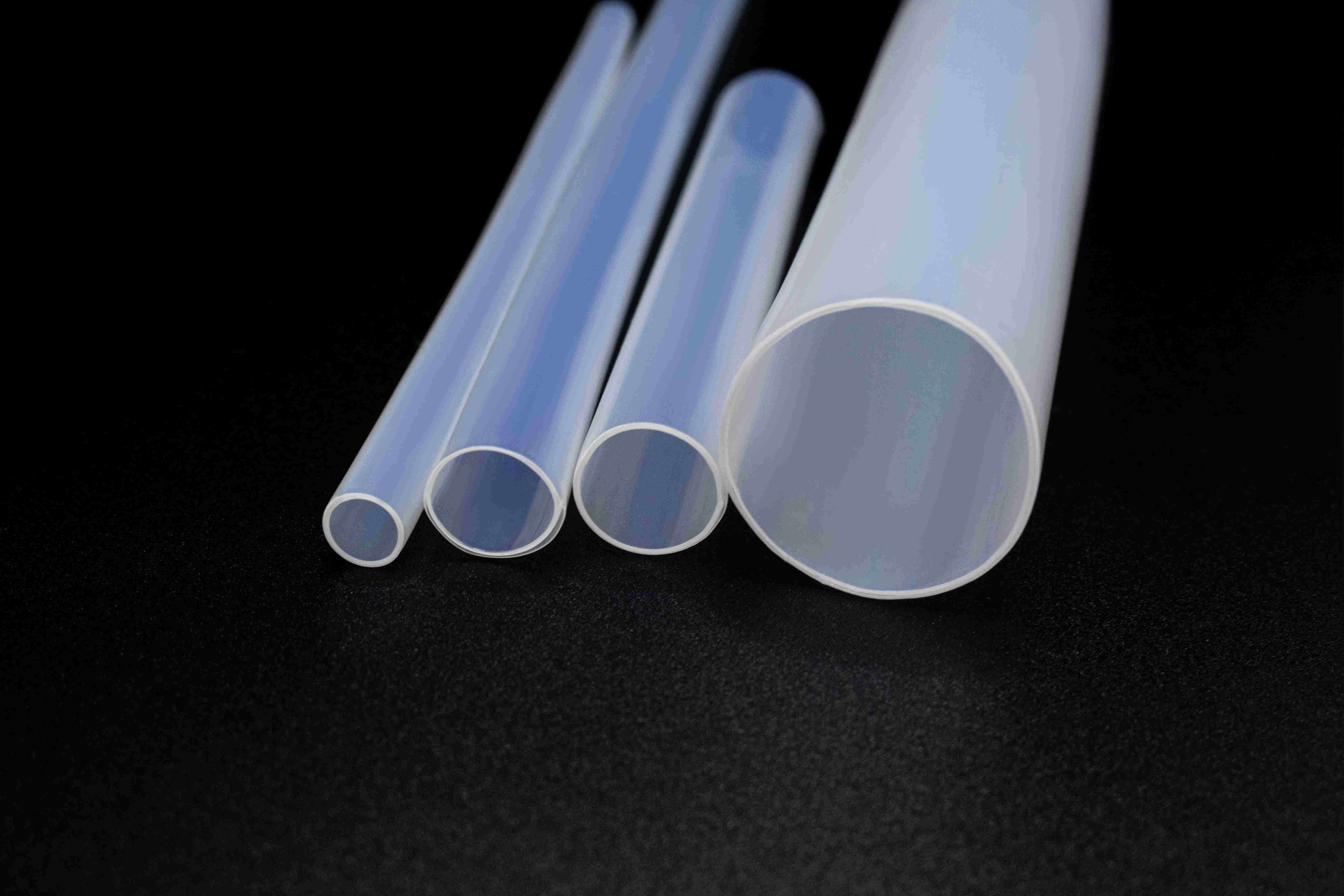
Among the many types available today, PTFE/FEP Dual Wall Heat Shrinkable Tube has emerged as one of the highest-performance solutions because it combines exceptional temperature resistance with permanent environmental sealing.
This article explains what a heat shrink tube is, how it works, why dual-wall construction matters, and how engineers can choose the correct shrink tube sizes for different applications.
What Is Heat Shrinkable Tube?
A heat shrinkable tube is a specially engineered polymer sleeve that contracts when heated to a specified recovery temperature. Before shipment, the tubing is manufactured by extruding polymer materials and then expanding them while hot.During cooling, the expanded dimensions are "locked" into the material through molecular memory.
When heat is later applied using a heat gun or controlled heating equipment, the material attempts to return to its original dimensions. This recovery process causes the tubing to shrink tightly around wires, connectors, terminals, or cable bundles.
Unlike conventional plastic sleeves, heat shrink tube products actively conform to the shape of the object being protected, creating a secure mechanical fit without adhesives or additional fastening hardware.
This simple principle has made electrical shrink tubing one of the most widely used cable protection solutions in modern electrical engineering.
The Science Behind Heat Shrink Tubes
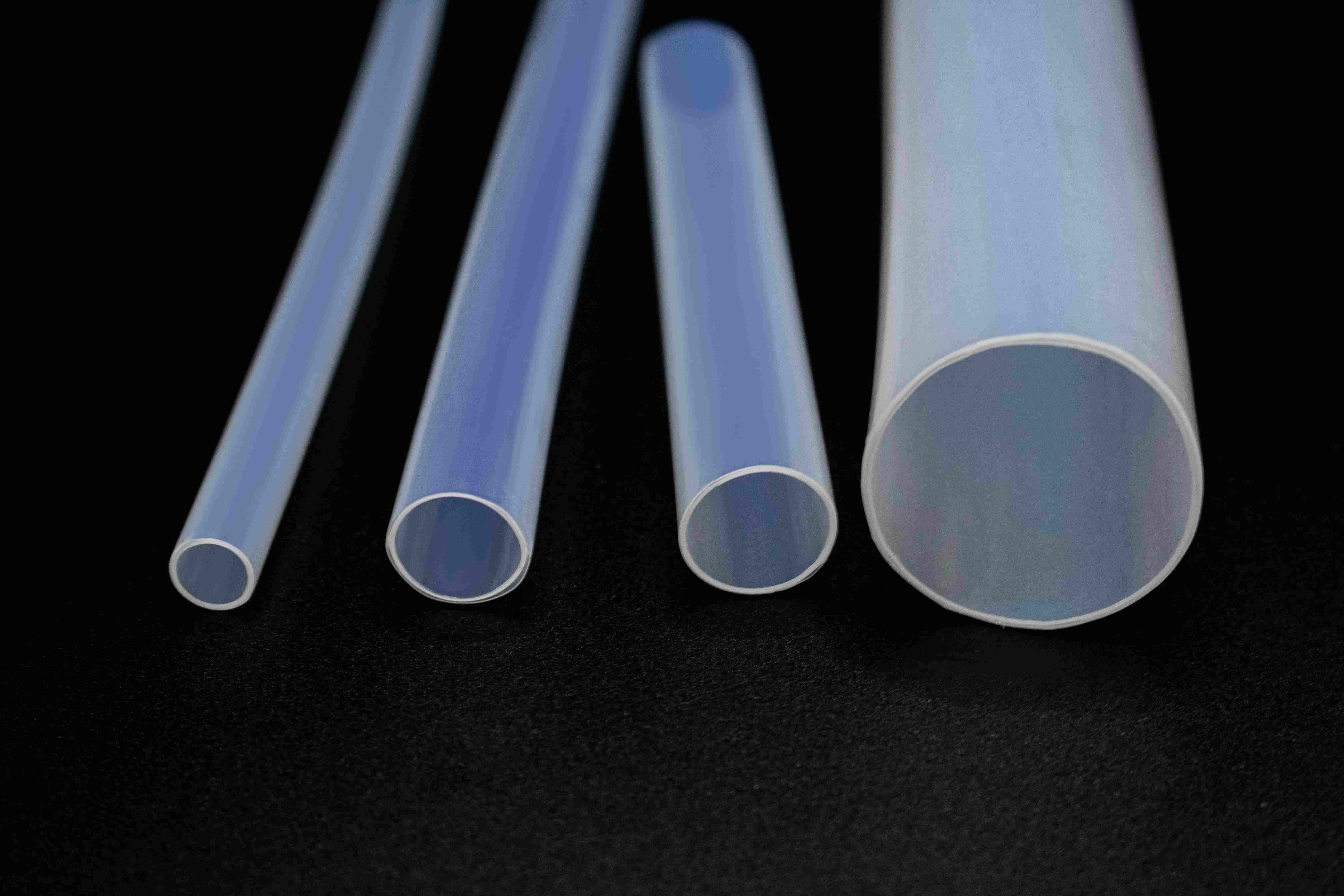
Many people assume that a heat shrink tube simply melts around a cable. In reality, the process is far more sophisticated.
Heat shrink tubing is manufactured using radiation cross-linking technology. Cross-linking creates a three-dimensional molecular network that gives the polymer a "memory." After cross-linking, the tubing is expanded at high temperature and rapidly cooled.
Later, during installation, heating above the recovery temperature allows the molecules to relax back toward their original configuration. Instead of melting, the tubing contracts uniformly around the cable while maintaining excellent mechanical strength.
This shape-memory behavior explains why properly manufactured heat shrinkable tube products maintain consistent recovery ratios and dimensional stability even after years of service.
Why PTFE/FEP Dual Wall Construction Is Different
Most standard electrical shrink tubing products contain only a single polymer layer. While they provide insulation, they cannot completely seal against moisture.
PTFE/FEP dual-wall technology combines two materials with different functions.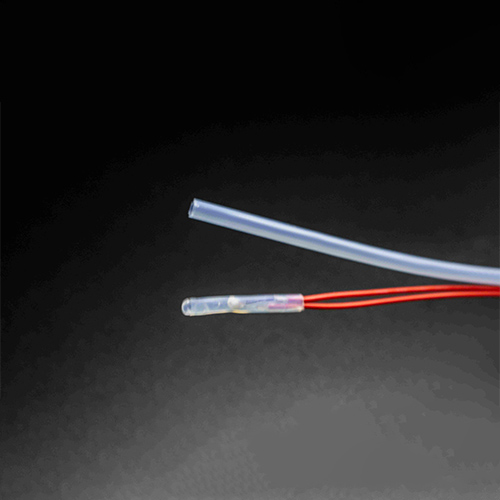
Outer PTFE Layer
The outer PTFE layer provides:
High temperature resistance
Chemical resistance
Electrical insulation
Flame retardancy
Abrasion protection
UV resistance
Mechanical strength
Inner FEP Layer
The inner FEP layer behaves differently.
As heating begins, the PTFE shrinks while the FEP liner softens and flows into every gap around the wire or connector.
After cooling, the FEP solidifies into a continuous waterproof barrier that blocks:
Water
Dust
Salt spray
Oils
Chemicals
Humidity
The result is a fully sealed cable assembly capable of surviving harsh industrial environments.
Step-by-Step Working Principle
The installation process follows several distinct stages.
Stage 1: Positioning
The heat shrink tube is placed over the connector or cable before termination.
Stage 2: Heating
A heat gun evenly raises the tubing above its recovery temperature.
Stage 3: Molecular Recovery
The PTFE outer wall begins shrinking due to its cross-linked molecular memory.
Stage 4: Adhesive-Free Sealing
Meanwhile, the FEP inner wall melts and flows around the substrate.
Stage 5: Cooling
After cooling, the PTFE provides mechanical strength while the FEP permanently seals the assembly.
Unlike adhesive-lined tubing, this fluoropolymer sealing system maintains excellent chemical resistance even in demanding industrial environments.
How to Choose the Correct Shrink Tube Sizes
Choosing proper shrink tube sizes is one of the most important design decisions.
Engineers should evaluate several factors.
1. Measure Cable Diameter
Always measure the largest outside diameter, including insulation and connectors.
2. Consider the Shrink Ratio
Common recovery ratios include:
2:1
3:1
4:1
6:1
Larger ratios accommodate irregular connector shapes.
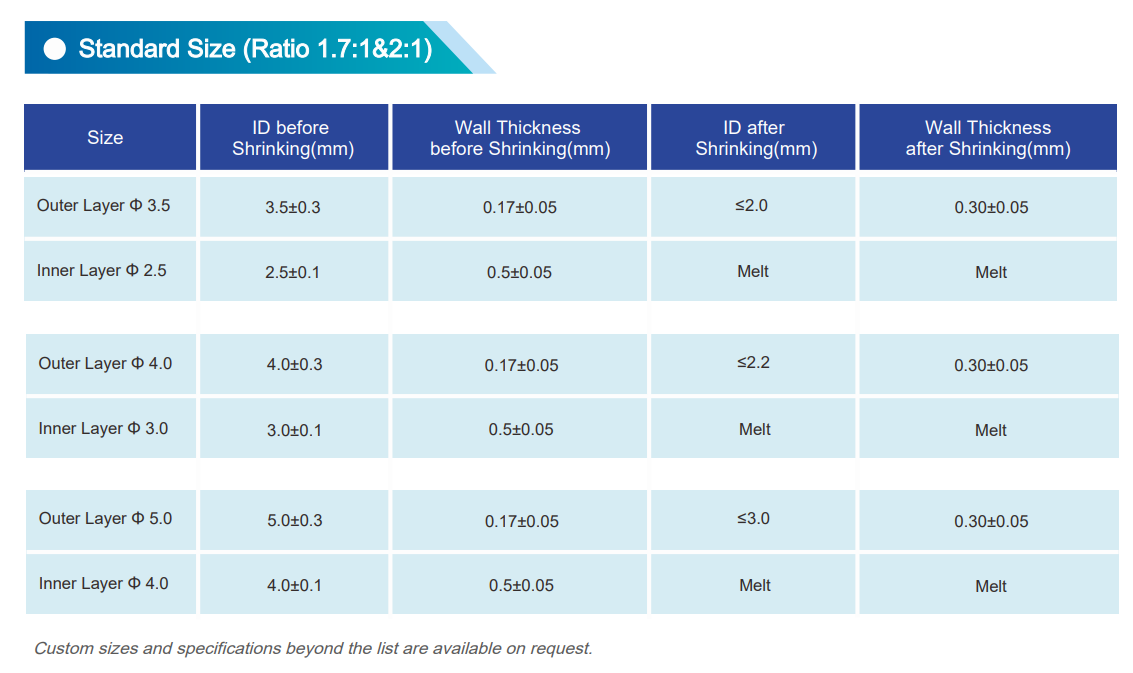
3. Check Recovered Wall Thickness
Thicker walls provide:
Better impact resistance
Higher insulation
Longer service life
4. Match Operating Temperature
Application temperature determines material selection.
PVC may suit office electronics.
Polyolefin suits general industrial use.
PTFE/FEP is preferred for aerospace, automotive, military, and chemical processing.
5. Evaluate Environmental Conditions
Consider exposure to:
Chemicals
Salt spray
UV
Outdoor weather
Hydraulic oil
Vibration
Continuous heat
Harsh environments often justify higher-performance Fluoropolymer Tubing.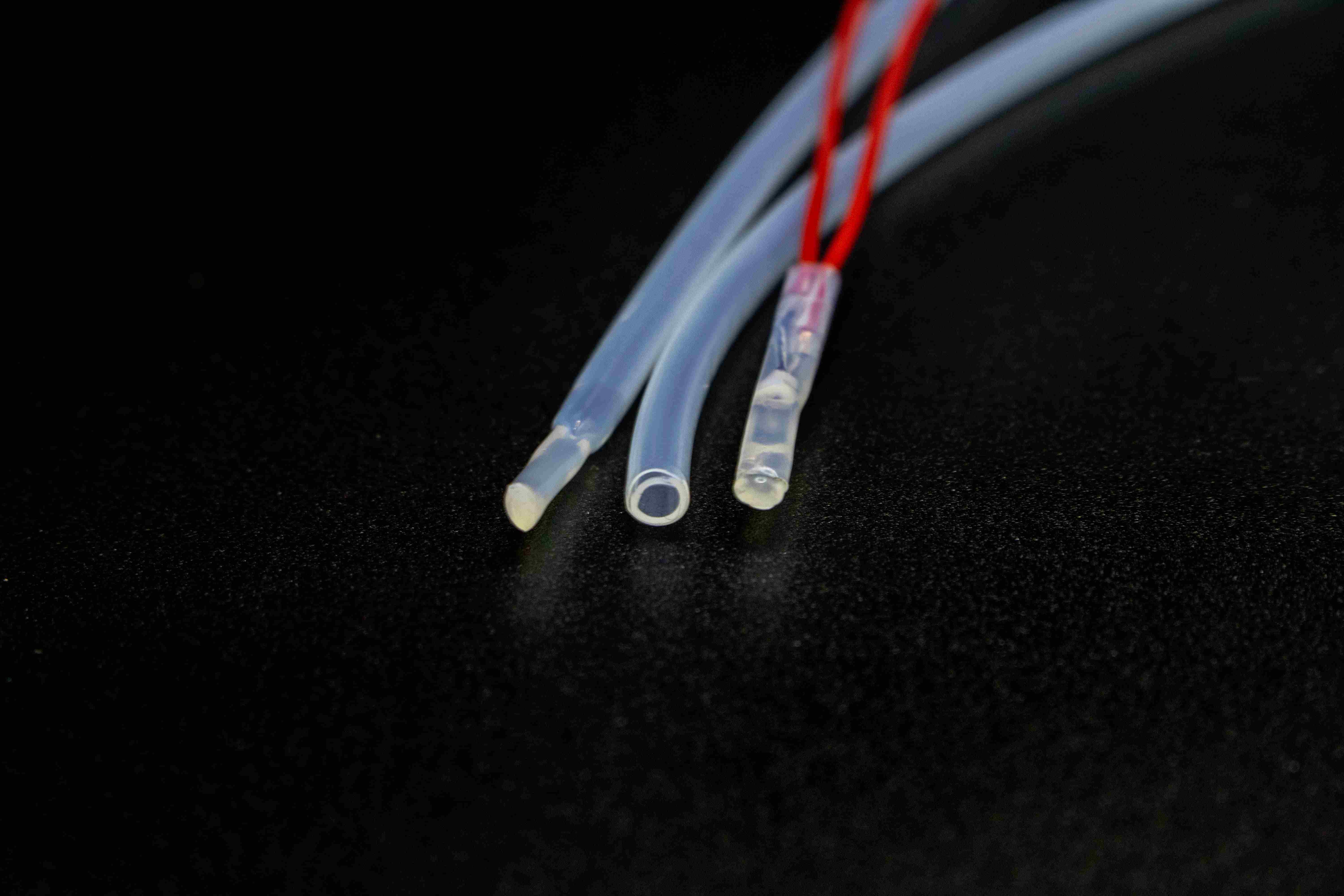
Common Mistakes When Selecting Heat Shrink Tubing
Many installation failures occur because the tubing itself is inappropriate rather than defective.
Typical mistakes include:
Selecting tubing that cannot fully recover.
Ignoring recovered wall thickness.
Using low-temperature materials near engines.
Choosing incorrect shrink tube sizes.
Applying uneven heat.
Overheating the tubing.
Failing to clean cable surfaces before shrinking.
Avoiding these mistakes significantly improves cable reliability.
Where Is Electrical Shrink Tubing Used Today?
Modern electrical shrink tubing can be found in almost every industry.
Examples include:
Electric vehicle battery packs
Aircraft wiring harnesses
Medical imaging equipment
Industrial robots
Offshore wind turbines
Railway control systems
Telecommunications infrastructure
Solar energy systems
Semiconductor equipment
Defense electronics
As electronic systems become more compact and more powerful, the demand for premium heat shrinkable tube solutions continues to grow.
Conclusion
A heat shrinkable tube is much more than a protective plastic sleeve. It is an engineered material that uses polymer memory to create reliable insulation, strain relief, and environmental sealing.
For applications exposed to extreme temperatures, chemicals, vibration, or moisture, PTFE/FEP Dual Wall Heat Shrinkable Tube offers a significant performance advantage over conventional heat shrink tube products. By understanding the recovery mechanism, material structure, and correct shrink tube sizes, engineers can design wiring systems that remain safe, reliable, and durable throughout their service life.