




How to Choose Fiberglass High Temperature Sleeving for Wire and Cable Protection
As modern electrical systems operate in increasingly demanding environments, protecting wires and cables from extreme heat has become a critical engineering challenge. Whether in industrial equipment, electric motors, automotive wiring harnesses, aerospace systems, or power generation equipment, cable insulation failure can lead to costly downtime and safety risks.
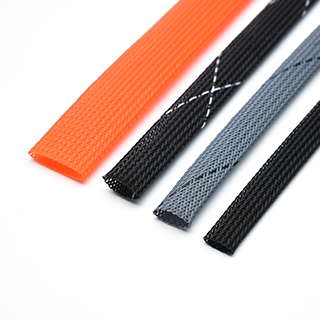
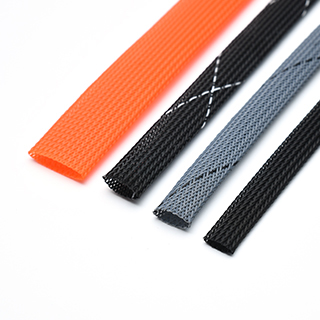
Fiberglass High Temperature Sleeving has become one of the most trusted solutions for thermal and electrical protection. Manufactured from braided fiberglass yarns, this sleeving provides excellent heat resistance, electrical insulation, flame resistance, and mechanical durability, making it ideal for harsh operating environments. Fiberglass sleeving is commonly used where conventional plastic insulation materials would degrade or fail under elevated temperatures. Its ability to withstand continuous heat exposure while maintaining structural integrity makes it an essential component in industrial and electrical applications.
What Is Fiberglass High Temperature Sleeving?
Fiberglass High Temperature Sleeving is a flexible tubular insulation product made from braided glass fibers. Depending on the application, the fiberglass braid may be heat-treated, acrylic coated, silicone coated, or resin impregnated to enhance electrical and mechanical performance.
The sleeving is designed to protect wires, cables, hoses, sensors, and electrical assemblies from heat, abrasion, flame, and environmental exposure. Because fiberglass itself is non-combustible and highly heat resistant, it offers significantly greater thermal protection than many conventional insulation materials.
Key Features of Fiberglass High Temperature Sleeving
Excellent Heat Resistance
One of the primary advantages of fiberglass sleeving is its ability to operate under extreme temperatures. Depending on construction and coating type, fiberglass sleeving can withstand continuous temperatures from 200°C to over 500°C, with some specialized products providing intermittent protection up to 650°C.
Superior Electrical Insulation
Fiberglass sleeving provides excellent dielectric properties, making it suitable for protecting electrical conductors, transformers, motors, generators, and wiring assemblies. Various insulation grades are available depending on voltage requirements.
Outstanding Flame Resistance
Unlike many polymer-based insulation materials, fiberglass will not melt and offers excellent flame resistance. Many fiberglass sleeving products comply with UL VW-1 flame standards for electrical insulation applications.
Excellent Abrasion Protection
The braided fiberglass structure provides mechanical protection against abrasion, vibration, and physical wear, helping extend cable service life in harsh environments.
Chemical and Environmental Resistance
Fiberglass sleeving demonstrates strong resistance to oils, chemicals, moisture, UV exposure, and ozone, making it suitable for both indoor and outdoor installations.
Typical Technical Specifications
| Property | Typical Value |
|---|---|
| Material | Braided Fiberglass Yarn |
| Operating Temperature | 200°C – 550°C |
| Short-Term Temperature | Up to 650°C |
| Flammability | UL VW-1 |
| Color | Natural White / Custom Colors |
| Compliance | RoHS, REACH |
| Structure | Braided Sleeving |
| Application | Wire & Cable Protection |
Common Applications
Industrial Motors and Generators
Transformer Lead Protection
Automotive Wiring Harnesses
Electric Vehicle Battery Systems
Aerospace Electrical Assemblies
Power Distribution Equipment
Heating Equipment
Industrial Furnaces and Ovens
Robotics and Automation Systems
Sensor and Thermocouple Protection
Fiberglass Sleeving vs Silicone Rubber Sleeving
| Feature | Fiberglass Sleeving | Silicone Rubber Sleeving |
|---|---|---|
| Heat Resistance | Excellent | Very Good |
| Abrasion Resistance | Excellent | Good |
| Flexibility | Good | Excellent |
| Electrical Insulation | Excellent | Excellent |
| Extreme Heat Protection | Best Choice | Moderate |
How to Select the Right Fiberglass Sleeving
Consider Operating Temperature
The first step is determining the maximum continuous operating temperature of the application. Higher temperature environments may require heat-treated or silicone-coated fiberglass sleeving.
Determine Electrical Requirements
Voltage levels and insulation requirements should be reviewed to ensure compliance with relevant electrical standards.
Evaluate Mechanical Conditions
Applications exposed to vibration, abrasion, or movement may require heavier wall constructions for improved durability.
Select the Proper Diameter
Choose a sleeving size that allows easy installation while maintaining adequate coverage and protection.
Download Product Information
For detailed dimensions, available sizes, material specifications, and technical performance data, visit:
Fiberglass High Temperature Sleeving Product Page
Related Products
Frequently Asked Questions
What temperature can fiberglass sleeving withstand?
Depending on the construction and coating type, fiberglass sleeving can withstand continuous temperatures from approximately 200°C to over 500°C, with some products offering intermittent protection up to 650°C.
Is fiberglass sleeving flame resistant?
Yes. Fiberglass is naturally non-combustible and many products comply with UL VW-1 flame resistance requirements.
Can fiberglass sleeving be used outdoors?
Yes. Fiberglass sleeving offers excellent resistance to UV exposure, moisture, ozone, and environmental aging.
What industries use fiberglass sleeving?
Common industries include electrical equipment, automotive, aerospace, industrial automation, renewable energy, power generation, and transportation.