




When it comes to advanced cable protection, choosing the right material can make a significant difference in performance and durability. A braided sleeve is one of the most reliable solutions for managing heat, abrasion, and electrical insulation in demanding environments. For industries seeking high-performance materials, the products available at braided sleeve offer exceptional quality, especially for high-temperature applications.
A braided sleeve is typically constructed from interwoven fibers such as fiberglass, PET, or other heat-resistant materials. This woven structure provides flexibility, expandability, and excellent coverage for wires, hoses, and cables. Among the various options, high temperature braided sleeve insulation made from fiberglass stands out due to its ability to withstand extreme heat while maintaining structural integrity.
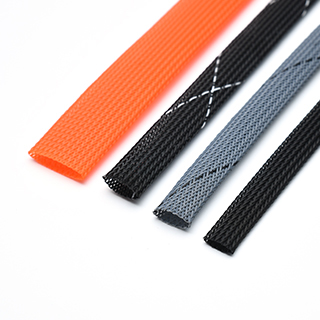
One of the most common uses is fiberglass braided sleeve for cable protection in industrial and electrical systems. These sleeves act as a barrier against heat sources, mechanical wear, and environmental damage. In applications such as motors, transformers, and automotive wiring, they help extend the lifespan of cables while improving safety. Their non-flammable properties make them especially suitable for high-risk environments.
When comparing braided sleeve vs heat shrink tubing, the differences highlight why braided sleeves are often preferred in dynamic systems. Heat shrink tubing provides a tight, permanent seal, but lacks flexibility once installed. In contrast, braided sleeves allow for easy installation, reusability, and adaptability to different cable diameters. This makes them ideal for situations where maintenance or future upgrades are expected.
Another advantage lies in the wide range of heat resistant braided sleeve applications. From aerospace and rail transit to household appliances and renewable energy systems, braided sleeves are used wherever thermal management is critical. Their ability to maintain performance under continuous high temperatures ensures reliability even in the most demanding conditions.
Additionally, braided sleeves are valued for their multifunctionality. Beyond heat insulation, they provide resistance to abrasion, chemicals, and UV exposure. This “one product, multiple uses” capability reduces the need for additional protective layers, simplifying design and lowering overall costs.
Modern manufacturing techniques have also improved the consistency and quality of braided sleeves. High-grade fiberglass sleeving, like those offered by the linked product page, ensures uniform thickness, strong dielectric properties, and compliance with international safety standards. This level of precision is essential for industries that cannot afford component failure.
In conclusion, the braided sleeve is more than just a protective covering—it is a critical component in ensuring system efficiency and safety. Whether you are comparing insulation solutions or looking for a versatile, high-performance material, braided sleeves provide a balanced combination of durability, flexibility, and thermal resistance that few alternatives can match.