




The PVC Tube has become one of the most versatile materials in modern manufacturing and fluid management systems. Known for its durability, flexibility, and cost-effectiveness, it is widely used across industries ranging from agriculture to medical equipment. Understanding its properties and applications can help businesses select the right tubing solution for long-term performance and efficiency.
A flexible PVC tube for industrial use is particularly valued for its ability to handle a wide range of fluids, including water, air, and certain chemicals. Its lightweight structure makes installation easier compared to metal alternatives, while still maintaining sufficient strength for demanding environments. Additionally, PVC tubing offers good resistance to abrasion and weathering, which is essential in outdoor or high-movement applications.
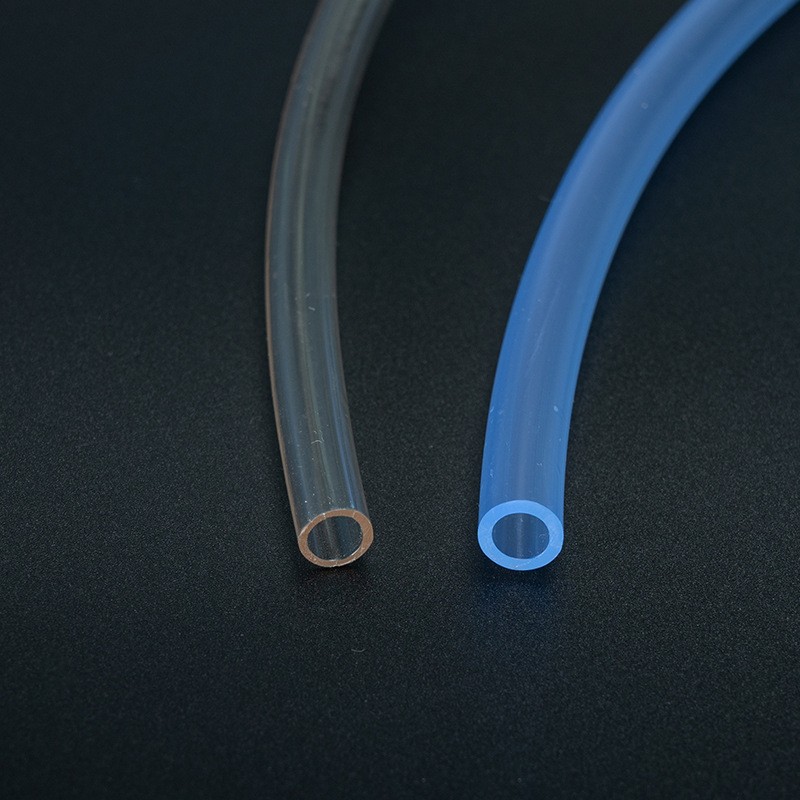
When comparing clear PVC tube vs silicone tubing, each material has distinct advantages. PVC tubes are more economical and provide excellent transparency, allowing easy monitoring of fluid flow. On the other hand, silicone tubing excels in high-temperature environments and offers superior flexibility. However, for most general-purpose and medium-temperature applications, PVC remains the preferred choice due to its balance of performance and affordability.
For more demanding conditions, a reinforced PVC tube for fluid transfer is often recommended. These tubes are designed with embedded fibers or spiral reinforcement, significantly increasing their pressure resistance and structural integrity. This makes them ideal for applications such as irrigation systems, chemical transfer, and industrial machinery where consistent flow and durability are critical.
Another important category is food grade PVC tube applications, which are specifically manufactured to meet safety and hygiene standards. These tubes are widely used in beverage dispensing, food processing, and laboratory environments. Their non-toxic composition and smooth inner surface help prevent contamination while ensuring efficient flow.
One of the key strengths of PVC tubing lies in its multi-purpose functionality. Beyond fluid transfer, it can be used for cable protection, ventilation systems, and even creative DIY projects. Its adaptability allows engineers and designers to implement it in both simple and complex systems without compromising performance.
For those seeking reliable and high-quality solutions, selecting a trusted supplier is essential. Products like PVC Tube offer consistent quality, customizable specifications, and excellent performance across a wide range of applications. This ensures that users can meet both standard and specialized requirements with confidence.
In conclusion, the PVC Tube remains a fundamental component in modern industry due to its versatility, affordability, and dependable performance. Whether used in industrial systems, food-grade environments, or reinforced applications, it provides a practical solution that continues to evolve with technological advancements.